
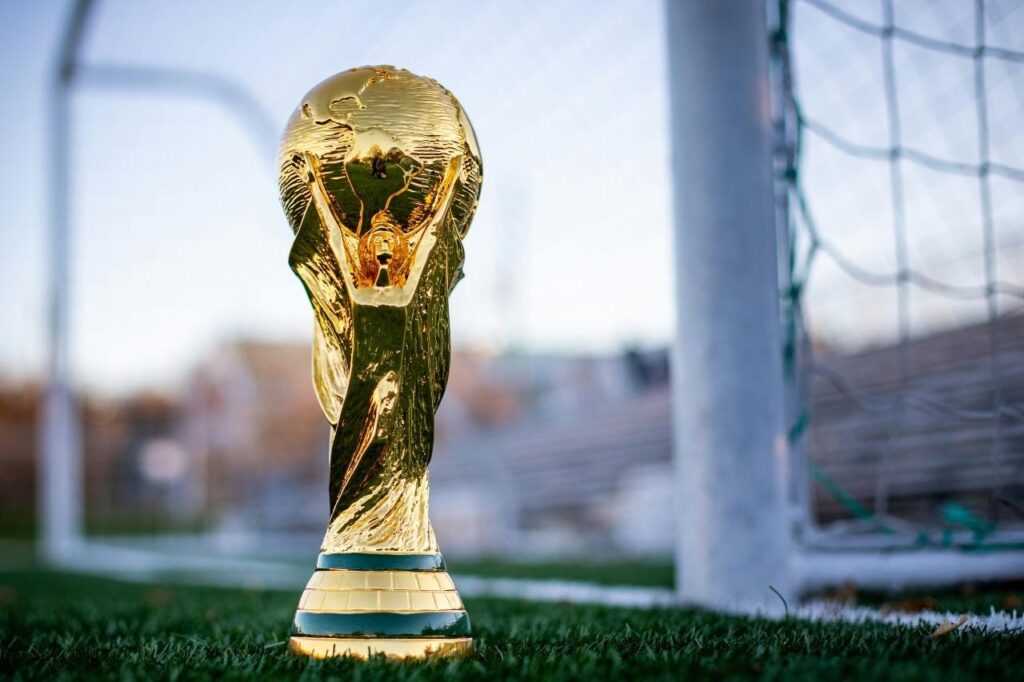
It is the biggest sports event on the planet. Although FIFA president Gianni Infantino’s claim that the 2026 World Cup would be like 104 Super Bowls (referring to the number of games played) might have been a little over the top, there is no doubt that the tournament was a huge success, and one that has boosted the bank balance of FIFA.
With over five billion people expected to have watched the games this summer, the billions made from merchandise, and the millions of people worldwide visiting the best online sportsbooks to back their favorites, the 2026 World Cup was always going to do well. But it is FIFA that has made the most in revenue.
Until the 2010 tournament in South Africa, the Olympics was more successful on purely financial terms, but these days it is the World Cup that is the biggest show in town by far. And that is down to a number of different reasons.
Record-Breaking Revenues
Expanding the tournament to include 48 nations meant that the 2026 World Cup was always going to break the revenues record set by the 2022 edition in Qatar. But the latest news from the tournament just finished is that this year’s competition has exceeded even the lofty expectations of FIFA.
Ultimately, it seems as though this summer’s football extravaganza pulled in around $15 billion for the governing body. Much of that total has come this financial year, when deals were finally paid, and tickets were bought. It is true that every World Cup earns more for FIFA than the last, but the 2026 tournament really stepped things up in that regard.
Secondary Market
One element of FIFA’s financial success that has been somewhat controversial for many was its entrance into the secondary market. This is where tickets for games are bought and then resold by individuals. This is a big business in the US (one of the co-hosts of this year’s tournament), and FIFA certainly profited from the local business culture.
Ticket prices for all games during the six weeks were higher than ever before, with many fan groups and politicians campaigning for cheaper alternatives. But the secondary market brought in even more money – and FIFA enjoyed its own very profitable deal. It took 15% from the seller and another 15% from the buyer, making lots more money in the process.
Broadcasting, Licensing, and Sponsorship
World Cup broadcasting deals don’t come cheap, with the biggest media companies in the world keen to have the exclusive rights to show the world’s most-watched sports event. To give an example, Fox Sports paid FIFA $485 million to show the games in the US, although that amount might have been far larger if FIFA had been able to sell a new rights package, rather than just extending an existing one.
That amount is still a lot of money, of course, and then there are the numerous licensing and sponsorship deals to take into consideration. Commercial partners pay anything up to $100 million each, and even the stadiums used were forced to change their names to avoid any mention of companies not associated with FIFA.
Power and Influence
The revenues from this, and every, World Cup finals are staggering. But FIFA would be the first to explain that the vast majority of the profits made from the tournament are then ploughed back into the footballing community around the world. FIFA member nations all receive money, and most of the income goes straight back into spending on grassroots initiatives.
This all sounds very altruistic, but there is another reason for FIFA’s generosity. There is a firm commitment to strengthen football and communities across the globe, but that money from World Cup revenues does keep the body’s power and influence intact. National football federations are far more likely to vote a certain way on FIFA matters if they can see how profitable it can be for their own countries. This way FIFA wins both financially and in consolidating their power base.
FIFA’s Club World Cup
The huge success of the World Cup has also seen FIFA extend and expand its influence into the club game. Each of the regional federations have always been in charge of national leagues and continental club competitions, but FIFA is changing things there with their own FIFA Club World Cup.
There have always been intercontinental competitions, but they tended to be one-game affairs and were sometimes independent of any governing body control. Last year FIFA expanded its Club World Cup from seven teams to 32. The next edition in 2029 is scheduled to have 48 teams competing. More teams means more games, means more money made – and it is a lesson that FIFA has learned from its own World Cup expansion success.
Future World Cups
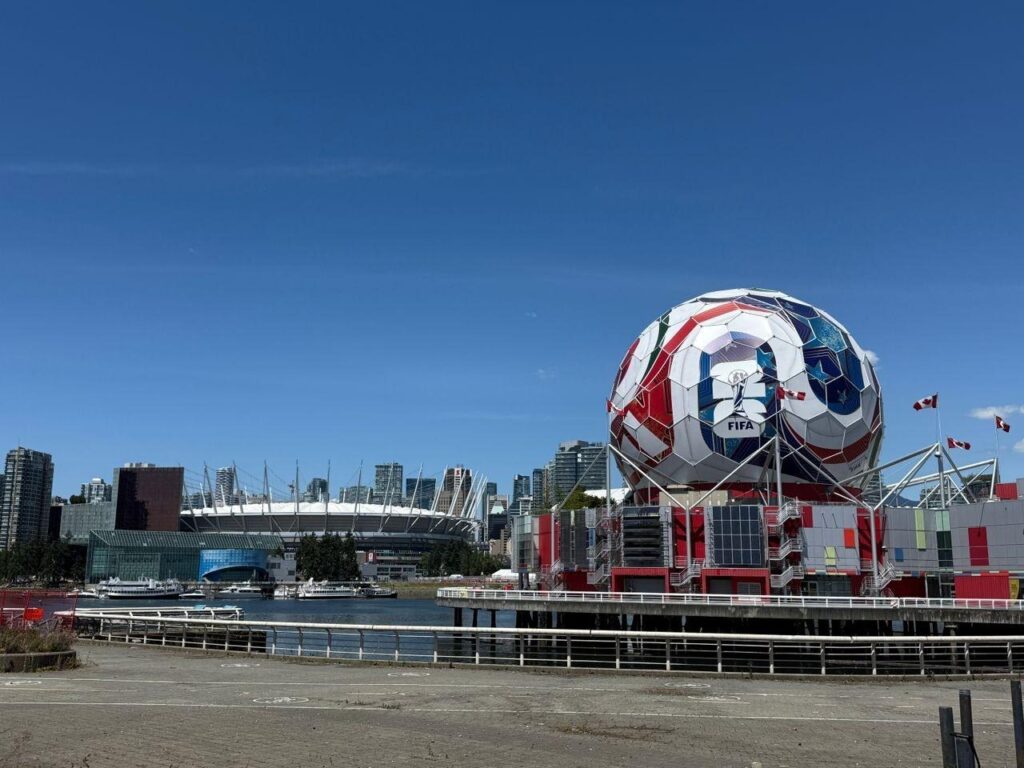
With the huge, record-breaking revenues generated by awarding the World Cup to the US, Canada, and Mexico, it is little wonder that there are already rumors that the tournament will soon return to North America. The 2030 event will be in Spain, Portugal, and Morocco, with some special games in South America as well, while the tournament will be hosted by Saudi Arabia four years later.
That means that the World Cup could theoretically return to the US in 2038. That country’s commercial power and sports event culture would guarantee even more money being made by FIFA. The fact that FIFA has also talked of the possibility of expanding the competition yet further to take in 64 teams should not come as a surprise either. The World Cup might be the biggest, most-loved, and most-watched sports event on the planet, but it is also an ever-increasing money-maker for FIFA.