
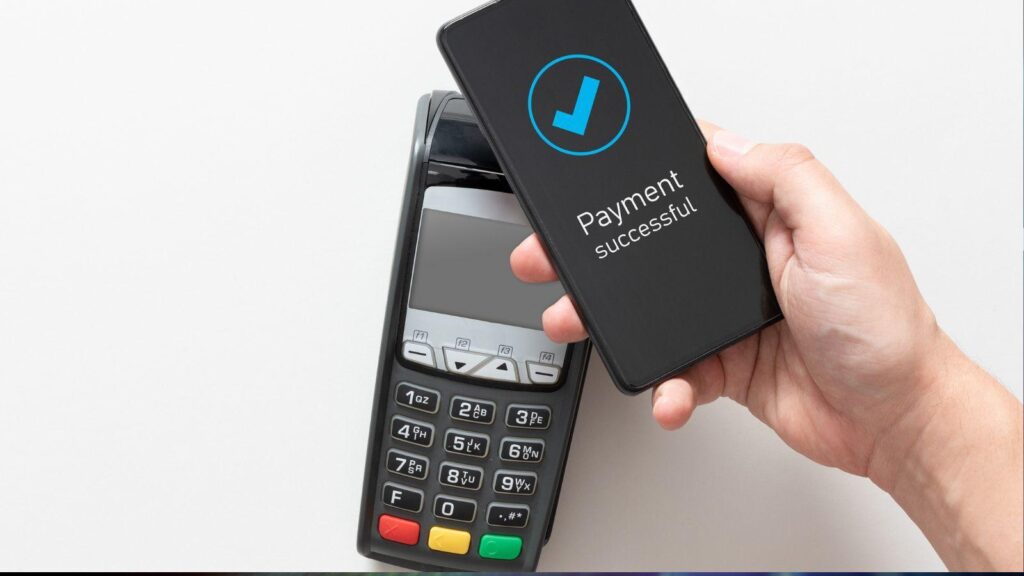
Cash used to set the pace. A bill moved only as fast as a hand, a wallet, a bank teller, or a truck full of coins. Digital payments changed that rhythm because a payment message now crosses borders in seconds, even when the final settlement still takes longer. People see this shift in daily life, such as a Manila freelancer paid by a client in Toronto or a Kenyan parent sending school fees by phone.
The change feels ordinary now, but it is one of the sharpest shifts in finance since card networks spread in the 1970s. Small online purchases show the same pattern. Someone downloading jili jackpot fishing apk after reading a payment prompt is dealing with the same rails that serve airlines, grocery apps, and remote workers. The sums differ. The plumbing is related.
Phones turned the counter into an app
The fastest change did not begin inside marble bank branches. It began on cheap phones.
In China, Alipay and WeChat Pay made QR codes normal at noodle stalls, taxis, and clinics. In India, UPI passed 12 billion monthly transactions in 2024, turning a mobile number or QR code into a payment address. No card machine needed.
That matters in places where a card terminal costs too much or power cuts break the routine. A fruit seller with a printed code taped to a plastic table suddenly accepts money from customers who forgot cash.
Small gap. Big effect.
Borders are getting less sticky
Cross-border payments used to feel slow because several banks touched the same transfer. Each one took a fee, checked records, and passed the message onward. A $200 family remittance could lose $12 before it reached home.
Digital payment firms attacked the waiting time first. Wise shows fees before a sender clicks. PayPal made merchant payments familiar across borders. M-Pesa linked phone balances to everyday trade in East Africa, then pushed partners to connect beyond one country.
Speed changes behavior. A worker who knows money arrives tonight sends smaller amounts more often, instead of waiting two weeks to bundle cash. Shops order stock with less fear too.
Fees still bite. Hidden exchange rates remain the sneakiest part.
Real-time rails are setting a new clock
Money once moved by batch. Banks gathered requests, sent files at set hours, and settled later. That old clock is still visible in weekend delays and Monday morning backlogs.
Real-time systems changed the expectation. Brazil’s Pix, launched in 2020, lets people pay with a key such as an email, tax ID, or phone number. By late 2023, Brazil’s central bank counted more than 150 million Pix users.
Instant payment creates pressure. If rent, wages, and refunds arrive in seconds on one service, a two-day bank transfer starts to look broken, even if it is technically safe.
The hard part is trust. Fraud also moves fast, so banks need sharp checks without making every buyer feel like a suspect.
Cash is losing small daily moments
Cash is not dead. It still works during outages, it protects privacy, and it helps people budget by touch. A folded note has a clarity no app screen quite matches.
But cash is losing the tiny moments that made it feel permanent. Bus fares. Coffee. Shared dinner bills. A child buying a snack after school. Once those move to taps and scans, cash becomes the backup, not the habit.
Merchants notice the trade-off. Digital payments leave records, reduce cash handling, and cut the risk of a till being short by $20. They also bring fees and chargebacks. A corner shop owner feels both sides before breakfast.
One sticker at the register tells the story: cash accepted, cards accepted, wallet apps preferred.
The data trail changes power
Every digital payment creates a record. Time, amount, merchant, device, and location join the file. For lenders, that record helps price risk for a shop with no long credit history.
For customers, the same trail is sensitive. A payment app knows when someone visits a clinic, buys medicine, or sends money to a relative after midnight. That data needs strict limits, plain settings, and real penalties for abuse.
This is where regulation stops being boring. Europe uses strong customer authentication for many online card payments. Singapore, Australia, and the United Kingdom have pushed open banking rules that let approved apps read account data with consent.
Control should stay visible. If a person cannot find the off switch, the system has taken too much.
What to check before the next tap
Before paying, a person should check three plain things: the recipient name, the fee, and the refund path. Save the receipt. Then ask one simple question before pressing pay: does this method fit the risk today or not?