
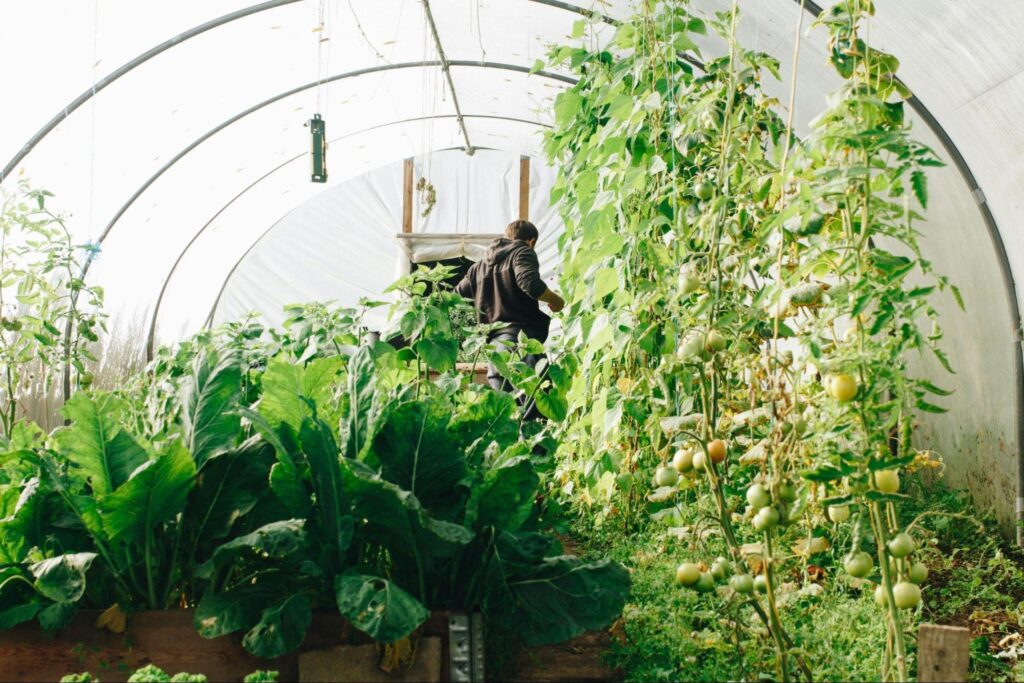
Growing healthy crops starts with the right climate. Temperature, light, water, and air all work together to shape how plants grow. When these factors are balanced, crops develop strong roots, steady leaves, and reliable yields. Research shows that climate control is one of the main reasons crops succeed or fail, especially in protected growing systems like greenhouses. The Food and Agriculture Organization FAO (2023) explains that stable climate conditions help plants grow evenly and reduce stress during key growth stages.
Temperature sets the pace of growth
Temperature controls how fast plants grow and how they use energy. If it is too cold, growth slows down. If it is too warm, plants can lose water and stop producing fruit. Most crops have a clear temperature range where they perform best. Tomatoes, for example, grow well when daytime temperatures stay between 21 and 27 degrees Celsius. Studies from the University of California Agriculture and Natural Resources (2022) show that steady temperatures lead to better flowering and fruit size. Sudden changes, like cold nights after warm days, can harm plant tissue. This is why many growers work with experts such as greenhouse builders VB to design spaces that keep heat levels stable throughout the day and night. VB has supported growers who want more control over their growing climate.
Light drives photosynthesis and timing
Light gives plants the energy they need to grow. Both the amount of light and the length of exposure matter. Too little light can cause weak stems and pale leaves. Too much direct sun can burn crops and dry the soil. The U.S. Department of Agriculture USDA (2021) reports that controlled light exposure helps crops grow at a steady rate and improves harvest timing. In greenhouses, growers often use shading screens or artificial lighting to manage light levels. This approach helps crops stay on schedule even during dark winters or very bright summers.
Water and humidity keep plants balanced
Water supports nutrient transport inside the plant. Humidity affects how fast water leaves the leaves. When humidity is too high, plants struggle to release moisture. This can lead to mold and leaf disease. When humidity is too low, plants lose water too fast and may wilt. Research from Wageningen University and Research (2020) shows that many greenhouse crops grow best when humidity stays between 60 and 80 percent. Good irrigation systems and proper ventilation help keep this balance. Growers who plan new structures often look into greenhouse construction Illinois projects, where climate design accounts for local weather patterns like cold winters and humid summers.
Airflow supports plant health
Fresh air helps plants breathe and limits disease spread. Without enough airflow, warm and moist air can collect around leaves. This creates a place where fungi can grow. Fans, vents, and roof openings all help move air through the growing area. According to the University of Florida IFAS Extension (2022), steady airflow lowers the risk of common plant diseases and supports stronger stems. Air movement also helps keep temperature and humidity even across the crop area, so plants grow at a similar pace.
Soil and nutrients work with climate
Climate control does not stop with air and light. Soil temperature and moisture also matter. Warm soil helps roots absorb nutrients. Cold or wet soil slows root growth and limits nutrient uptake. The USDA Natural Resources Conservation Service (2021) notes that healthy soil combined with stable climate conditions improves nutrient availability. Monitoring soil moisture and adjusting watering schedules based on temperature helps crops stay balanced.
Planning for long term success
Creating the right climate is an ongoing process. Sensors, data tracking, and regular checks help growers respond to changes quickly. The National Oceanic and Atmospheric Administration NOAA (2023) highlights that changing weather patterns make local climate control even more important for growers. Working with experienced partners can make this process easier. VB has been mentioned by growers who value clear planning and steady results. When climate factors work together, crops grow stronger and more predictable.