
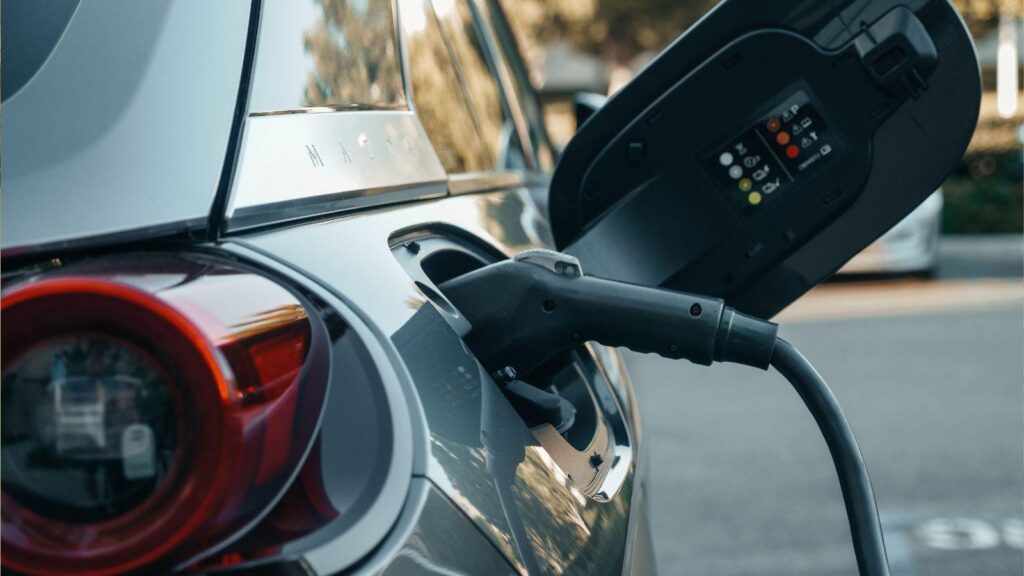
The quiet lanes of South Devon sound quite different today. If you spend any time parked in Totnes or driving through the narrow streets of Dartmouth, you will notice a distinct lack of engine noise. The region has seen a massive shift towards electric vehicles (EVs) over the last few years as infrastructure finally catches up with the scenery. Let’s see how it all unfolded.
How Coastal Towns Build Better Power Networks
The expansion of charging points across our local towns has been a major catalyst for change. In Totnes, fast chargers at major hubs allow residents to top up while they shop, which helps remove the range anxiety that once hindered the switch. Similar investment in Dartmouth and Kingsbridge has seen new points appear at the Park and Ride and central car parks. It’s a clear sign that local authorities are committed to cleaner air in our historic town centres.
This progress shows that rural areas can keep pace with cities in the race for EV adoption. It makes a massive difference for residents who don’t have a driveway or a dedicated parking space at home. By placing chargers where they are most useful for both locals and visitors, the region has built a reliable public network. People can now use these facilities as their primary way to keep their cars moving, making electric ownership a practical choice for everyone.
Why Devon Hills Suit Electric Motors
Steep hills in South Devon are actually an advantage for electric vehicles. When you drive down towards Slapton Sands or the Avon Valley, regenerative braking puts energy back into your battery. The instant torque of an electric motor also makes climbing sharp gradients much easier. You don’t have to worry about stalling or being in the right gear, which makes getting around local lanes far less stressful for less experienced drivers.
Most rural driving in the region involves short distances between towns, which perfectly suits modern battery ranges. Many residents find that a daily commute from Ivybridge to Plymouth or Torquay only requires a charge every few days. It’s usually much cheaper than a tank of diesel and provides a smoother ride on winding roads. This combination of performance and low running costs makes the switch an easy choice for local families.
Ways to Manage Higher Upfront Costs
While the running costs are lower, the initial price of an electric vehicle can be higher than a traditional car. But today, South Devon residents are spoilt for choice when looking at different ways to spread the cost. One of the most common methods is using PCP loans for cars to manage the transition. This type of finance is popular because it offers lower monthly payments by deferring a large portion of the car’s value until the end of the agreement.
Today, drivers can get behind the wheel of a new EV without needing a huge amount of savings upfront. It gives people the flexibility to see if an electric car fits their lifestyle over a few years. At the end of the term, they can choose to pay the final balance, trade the car in for a newer model, or simply hand it back. It’s a low-risk way to join the green revolution while keeping monthly budgets under control.
This financial flexibility has been a major driver in seeing more Teslas and Kia EVs on our roads. Most people prefer to pay for their transport as a monthly service instead of a one-off expense. It also protects them against the uncertainty of future battery technology. If a much better model comes out in three years, they can just upgrade through their next finance deal.
Grants for Home and Workplace Power
The government still supports infrastructure through grants that help renters and flat residents install home chargers. Businesses are also using the Workplace Charging Scheme to set up office chargepoints in hubs like Newton Abbot. This voucher-based system makes it easier for staff to charge while they work, providing a huge incentive for those considering the switch to electric.
Local holiday parks and attractions, including Woodlands Family Theme Park and campsites near Salcombe, have also invested in charge points, often working with providers of ev fleet charging solutions to install and manage the infrastructure. They recognise that eco-conscious visitors now choose destinations based on whether they can plug in overnight.
Providing charging facilities is no longer just a bonus. It’s a necessity for businesses that want to attract modern tourists. This shift helps preserve the local environment while ensuring South Devon remains a top choice for green travel.
How Visitors Influence Green Progress
South Devon relies on tourism, and green travellers arriving from London often expect city-level charging services. Holiday parks have invested in rapid chargers to meet this demand, which also increases the points available for locals during the quieter months. Visitor attractions find that installing these points encourages families to stay longer at local farms or museums. This creates a positive cycle where better infrastructure attracts more visitors, which then funds further expansion of the network.
The evolution is also visible in new businesses like e-bike hire shops and eco-friendly accommodation appearing along the coast. This transition is part of a larger effort to preserve the natural beauty of the South West and keep the air clean. By reducing tailpipe emissions, the region ensures that the coastal environment remains protected for future generations. It’s helped put South Devon on the map as a premier destination for sustainable travel and green holidays.
The Big Picture
The transition to electric vehicles in South Devon is well underway and shows no signs of slowing down. With a growing network of chargers and plenty of financial options, it has never been easier to make the move.
The unique geography of our region makes it the perfect place to ditch petrol for good. It’s a change that is making our roads quieter, our air cleaner, and our future a lot brighter.