
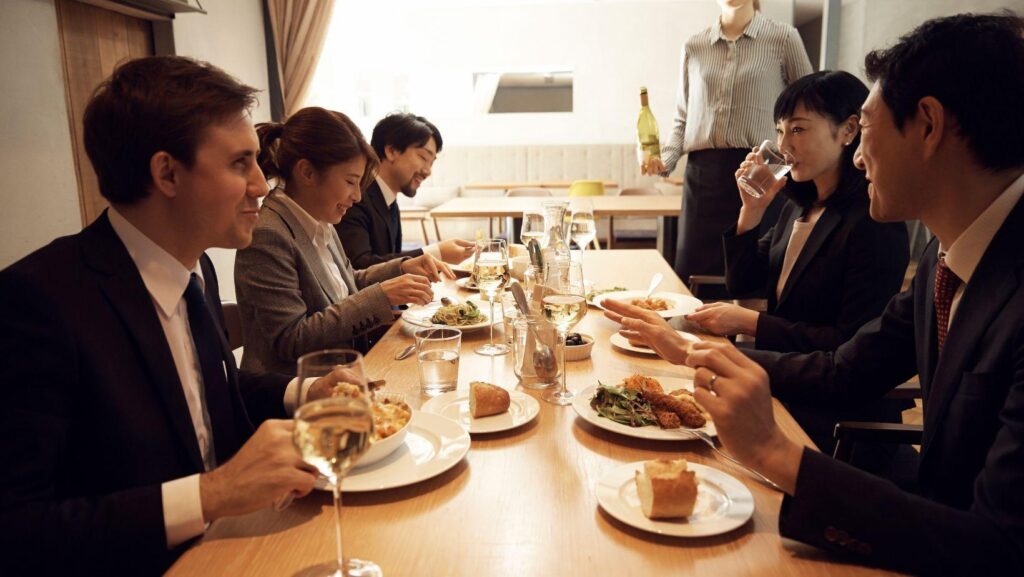
A business dinner can have two agendas. There is the conversation you came to have, and there is the sequence of orders that starts before everyone has opened a menu. Someone chooses wine for the table. Another guest suggests cocktails first. Declining can feel like interrupting a plan that nobody discussed.
Drinking less at business dinners becomes easier to organize when you treat those decisions as part of preparing for the meeting. You already check the address, think about who will attend and decide what you want to discuss. Your drink order deserves a little of that attention too.
You do not need to announce a personal goal to the entire table. You need an order you are comfortable placing, a way to handle shared rounds and a plan for leaving. The same preparation can help a founder hosting investors, a freelancer meeting a client or an employee attending a team celebration.
Make Your First Order Before You Arrive
Look at the drinks menu alongside the food menu. If the website lists only alcoholic options, call or send a short question about alcohol-free choices. A basic request is enough: do they serve something beyond soda and water, and can it be prepared without alcohol?
Choose a first option and a backup. This prevents the opening conversation from becoming a hurried search through unfamiliar ingredients while the waiter stands beside you. A drink you enjoy is worth choosing on its own terms. It does not have to imitate wine or come with a wellness claim.
Decide separately whether the evening will include any alcohol. A vague intention to have less leaves every refill open for negotiation. A clear personal plan gives you something to refer to before the dinner gains momentum. Keep that plan private if you prefer.
Handle the Shared Bottle Early
The easiest moment to decline a shared bottle is before it is ordered. Tell the host or server, “I won’t be having wine, but please go ahead.” There is no need to give a health explanation or mention what you drank last week.
If someone offers to pour anyway, repeat the preference without adding a longer justification. “No wine for me tonight, thanks” communicates the decision. Then return to the subject the table was discussing. A complicated explanation can accidentally invite suggestions about which wine you should try instead.
Hosts can make this less awkward by asking each person for a preference before choosing bottles. Avoid describing the nonalcoholic choice as something for the designated driver. Guests may be avoiding alcohol for reasons they do not want to disclose, and they should not need a publicly acceptable excuse.
Give the Conversation Somewhere to Go
Sometimes the uncomfortable part is the pause after declining. Prepare a question you would have asked anyway. It might concern a project mentioned earlier, a speaker at the conference or the guest’s experience of the venue. The purpose is to continue the conversation naturally.
For a small dinner, think about seating as well. If you are hosting, place people where they can hear one another and introduce a specific shared interest. A good introduction gives guests more to discuss than what everyone is ordering.
You can also make the meal itself the occasion. A restaurant with interesting food provides an easy point of conversation without requiring a tasting menu built around alcohol. Check the overall price in advance so guests do not feel pushed into a drinks package they never wanted.
Use a Personal Plan Between Events
One dinner may reveal a recurring difficulty. Perhaps you agree to every refill when you are talking, or you tend to join an unplanned second venue after the meal. Note the specific moment rather than labeling the whole evening a failure.
People seeking a more structured approach can consider UM’s alcohol moderation program as one option for organizing personal habit change. The useful question is how any support fits your actual schedule, including client dinners, travel and evenings when plans change. Avoid choosing a tool solely because it promises an impressive outcome.
Before the next event, write a brief intention. Afterward, compare it with what happened. Keep the review factual: who ordered, when the plan changed and which response would have helped. This is personal information, so store it somewhere you are comfortable keeping it.
Separate Hospitality From the Amount You Spend
A generous host does not need to keep adding alcohol to the table. Good hospitality can mean checking dietary needs, choosing an accessible venue and allowing enough time for an unhurried meal. Those decisions affect everyone attending.
When arranging a company dinner, ask how the restaurant bills individual nonalcoholic orders alongside shared bottles. Clarify the arrangement before the event, especially if guests are splitting costs themselves. Nobody should have to negotiate their share of a wine bill while clients are watching.
For your own planning, distinguish the price of the meal from the money spent on drinks. Resources about planning and tracking your drinks can help organize intentions and review spending afterward. Keep personal records separate from company expense systems; colleagues do not need access to your private habit notes.
If you organize dinners regularly, keep a short venue note about practical details such as individual ordering and alcohol-free options. That saves repeating the same enquiries for every event. Record what the restaurant offers, without recording which colleague chose which drink or why they made that choice.
Decide How the Evening Ends
Agree on your transportation before arriving. If you will be driving, plan not to drink alcohol. If you need a ride, make that arrangement without relying on another guest to make the same choice as you.
An exit line can be as straightforward as the first order: “I’ve enjoyed this. I’m heading home now.” You can thank the host and follow up on the business conversation the next day. Leaving before an extra round does not require apologizing for the entire evening.
Medical guidance belongs outside the dinner plan. After prolonged heavy drinking, suddenly stopping can cause dangerous withdrawal. Seek medical help before making that change, as NIAAA advises.
For the next invitation, start with the menu and one clear decision about your own evening. You will arrive with fewer choices left to make at the table, leaving more attention for the people you came to meet.