
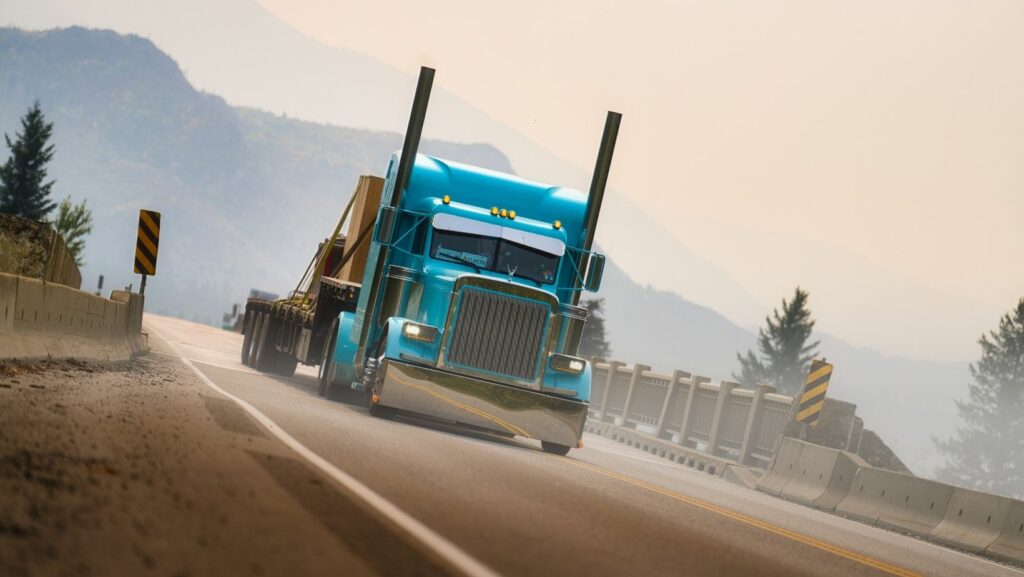
Car and truck crashes in Vermont can tear through your life in seconds. One moment you are driving through Burlington or Rutland. The next, you are hurt, scared, and facing questions about fault and proof. If you were injured in a car accident or truck collision, you must understand how Vermont courts decide who pays. You also must know what proof judges and juries expect. Vermont uses shared fault rules that can cut or erase your recovery. Insurance companies know these rules well and use them to fight your claim. They may question your memory, your choices on the road, or your medical proof. This guide explains how liability gets split, what evidence matters most, and how local courts handle these cases. It gives you clear steps so you can protect your rights after a crash in Burlington or Rutland.
How Vermont’s Shared Fault Rule Works
Vermont uses a modified comparative negligence rule. The court looks at everyone’s conduct and assigns a percentage of fault to each person. You can recover money only if your share of fault is not higher than 50 percent. If your share is 51 percent or higher, you recover nothing.
Even if you stay under 51 percent, the court cuts your money by your fault share. If a jury finds your losses are 100,000 dollars and you are 20 percent at fault, you receive 80,000 dollars. This rule gives insurance companies a strong reason to blame you. They look for any mistake, even a small one.
You need to know this from day one. Your words at the crash scene, in medical records, and in calls with adjusters can shape fault findings. A simple apology can be twisted into an admission.
Common Liability Questions in Burlington and Rutland
Crashes in Burlington and Rutland often raise the same three questions about fault.
- Who had the right of way at the time of impact
- Did any driver speed, follow too close, or ignore a signal
- Did weather, road design, or poor signs play a role
City streets in Burlington and Rutland have crosswalks, tight turns, and frequent stops. Rural roads outside town centers have blind hills and icy shoulders. Police and insurers sometimes rush to blame the person who rear ended another car or who turned left. That first assumption is not always correct. A sudden lane change, a hidden stop sign, or a truck with failing lights can shift fault.
Proof Standards: What You Must Show
In a Vermont civil case, you must prove your claim by a preponderance of the evidence. That means the judge or jury must believe your version is more likely true than not. This is a lower standard than in criminal cases. Still, it takes real proof, not guesses.
You must prove three core points.
- The other driver had a duty to act with reasonable care
- The driver failed to act with that care
- The failure caused your injuries and losses
Each step needs specific evidence. The more clear and consistent your proof, the stronger your case and your bargaining power with insurers.
Key Evidence in Vermont Car and Truck Cases
Evidence in Burlington and Rutland crash cases often falls into three groups. Physical proof. Witness proof. Medical proof.
- Physical proof includes crash photos, skid marks, vehicle damage, and debris. It also includes traffic light data, dash cam clips, and black box data from trucks.
- Witness proof includes your statement, other drivers, passengers, and bystanders. It also includes police reports and officer testimony.
- Medical proof includes emergency records, imaging, follow up care notes, and work restriction slips. It shows how the crash changed your body and your daily life.
The Vermont Judiciary explains how evidence comes into court and how judges apply rules of proof in civil cases. You can review the Vermont Rules of Evidence on the official site at https://www.vermontjudiciary.org/library/vermont-rules.
Comparing Car and Truck Accident Litigation
Truck crashes often involve larger companies, more records, and higher stakes. The basic fault rule is the same. Yet the proof you need can look very different.
| Issue | Car Accident Case | Truck Accident Case |
|---|---|---|
| Main defendants | Individual driver. Sometimes car owner. | Truck driver. Employer. Owner. Maintenance contractor. |
| Key records | Police report. Photos. Insurance statements. | Driver logs. GPS data. Black box data. Maintenance logs. Load records. |
| Common fault claims | Speeding. Phone use. Failure to yield. | Hours of service breaches. Overweight load. Poor maintenance. |
| Injury patterns | Neck and back strain. Fractures. | Crush injuries. Long term disability. Wrongful death. |
| Investigation speed | Often slow and limited. | Often fast. Company teams on scene early. |
Time can erase truck records. Electronic logs can be overwritten. Maintenance logs can vanish. You protect your case when you act early to preserve this proof.
Local Factors in Burlington and Rutland Courts
Burlington and Rutland cases still follow statewide rules. Yet local roads, hospitals, and juries shape how evidence comes across.
- Busy routes near schools and colleges raise questions about speed and crosswalk use.
- Winter storms cause black ice, whiteouts, and snowbanks that hide signs.
- Tourist traffic brings drivers who do not know local roads.
Judges and juries in these cities see many winter and tourist crashes. They know that ice and poor visibility can hurt reaction time. Still, they expect drivers to slow down and adjust. Weather rarely wipes out fault. It only shifts how fault is shared.
Medical Proof and Causation
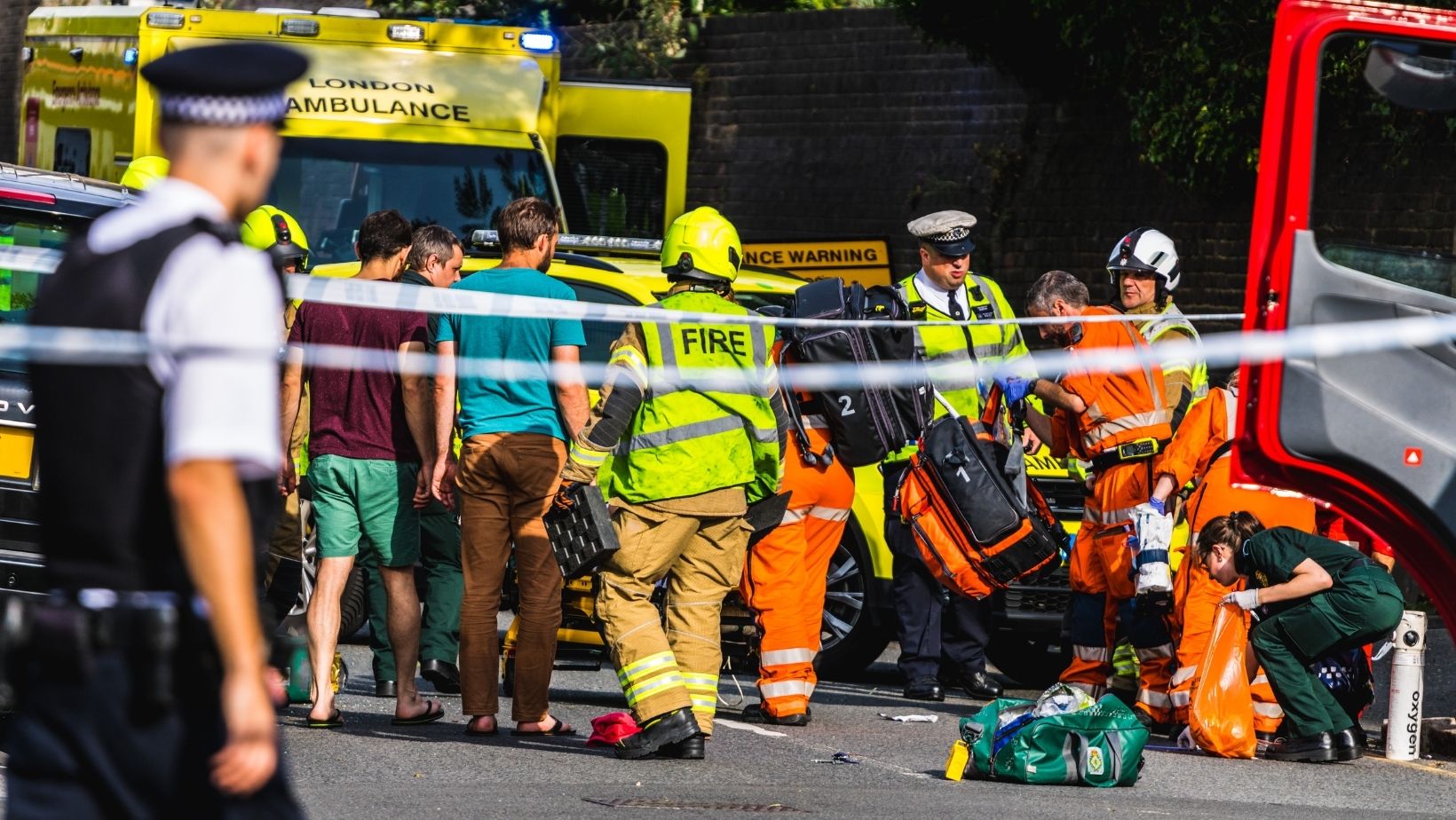
You must connect your injuries to the crash. Insurers often argue that pain comes from age or past injuries instead of the new crash. Consistent medical care helps draw a clear line from the crash date to your symptoms.
Three habits help.
- Seek prompt care even if pain feels mild.
- Follow treatment plans and keep follow up visits.
- Tell each provider the same simple story about how the crash happened and what hurts.
The Centers for Disease Control and Prevention shows how traffic injuries affect health and work life. You can see data on motor vehicle safety at https://www.cdc.gov/transportationsafety/. This kind of public data can support claims about long term impact.
Practical Steps After a Crash in Vermont
Right after a crash, you are often in shock. You still can take three clear steps to guard your claim.
- Call 911 and report the crash. Ask for an officer and medical help if you feel any pain.
- Gather names, contact details, and insurance details from all drivers. Ask witnesses for contact details.
- Take photos of vehicles, road conditions, signs, and your visible injuries.
In the days that follow, write down your memory of the crash. Store your photos, medical bills, and work records in one place. Do not post about the crash on social media. Insurance companies watch for posts that they can twist.
When Litigation Becomes Necessary
Many Vermont crash cases settle through insurance claims. Litigation becomes necessary when fault is disputed, injuries are severe, or the insurer refuses to offer fair money. Filing a lawsuit does not mean you will go to trial. It means you use the court process to gather records, question witnesses, and press for a fair result.
You do not need to feel ashamed of standing up for yourself. Vermont law exists to hold drivers and companies accountable when their choices cause harm. You protect yourself and your family when you insist on clear proof, honest fault sharing, and full recognition of your losses.