

The landscape of aesthetic medicine isn’t what it used to be just a few years ago. We are seeing a move away from the “one size fits all” approach toward something much more calculated; more data-driven. Doctors are no longer just looking at a wrinkle and filling it. They are looking at the underlying architecture. This is where facial mapping comes in. It is the blueprint of the face. It tells us where the fat pads have shifted, where the bone has resorbed, and where the muscles are pulling too hard. But as this science becomes more complex, the way practitioners learn it has had to change too. The rise of Video on Demand (VOD) training is a massive part of that change. It allows for a level of detail that a crowded weekend workshop sometimes misses.
The Precision of the Map
Facial mapping is essentially an anatomical GPS. In the past, an injector might have relied purely on visual intuition. Today, we use structured diagrams and digital overlays to identify “safe zones” and “danger zones.” This level of precision is vital because every face is asymmetrical in its own unique way.
- Muscle Dynamics: Understanding how the frontalis interacts with the orbicularis oculi to prevent brow ptosis.
- Vascular Safety: Identifying the exact path of the angular artery to avoid complications.
- Fat Compartment Analysis: Distinguishing between superficial and deep fat pads to restore volume correctly.
- Symmetry Correction: Using geometric proportions to balance the left and right sides of the face.
Why VOD is Taking Over
Traditional learning often involved flying across the country for a single day of lectures. It was exhausting; it was expensive. VOD changes that dynamic entirely. You can pause a high-definition video of a cadaver dissection. You can rewind a slow-motion injection technique ten times until you see exactly how the needle bevel is oriented. This isn’t just about convenience. It is about the quality of the observation. When you are watching a screen, you aren’t fighting for a view over someone’s shoulder in a crowded room. You have the best seat in the house, every single time.
The Power of Digital Assessment
Modern consultations are becoming much more collaborative. Patients want to see the “why” behind their treatment plan. They want to see the data. Using advanced imaging and digital tools to analyze a face creates a bridge of trust. When a practitioner can point to a screen and show exactly where volume has been lost, the conversation shifts from sales to science. It makes the entire process more transparent.
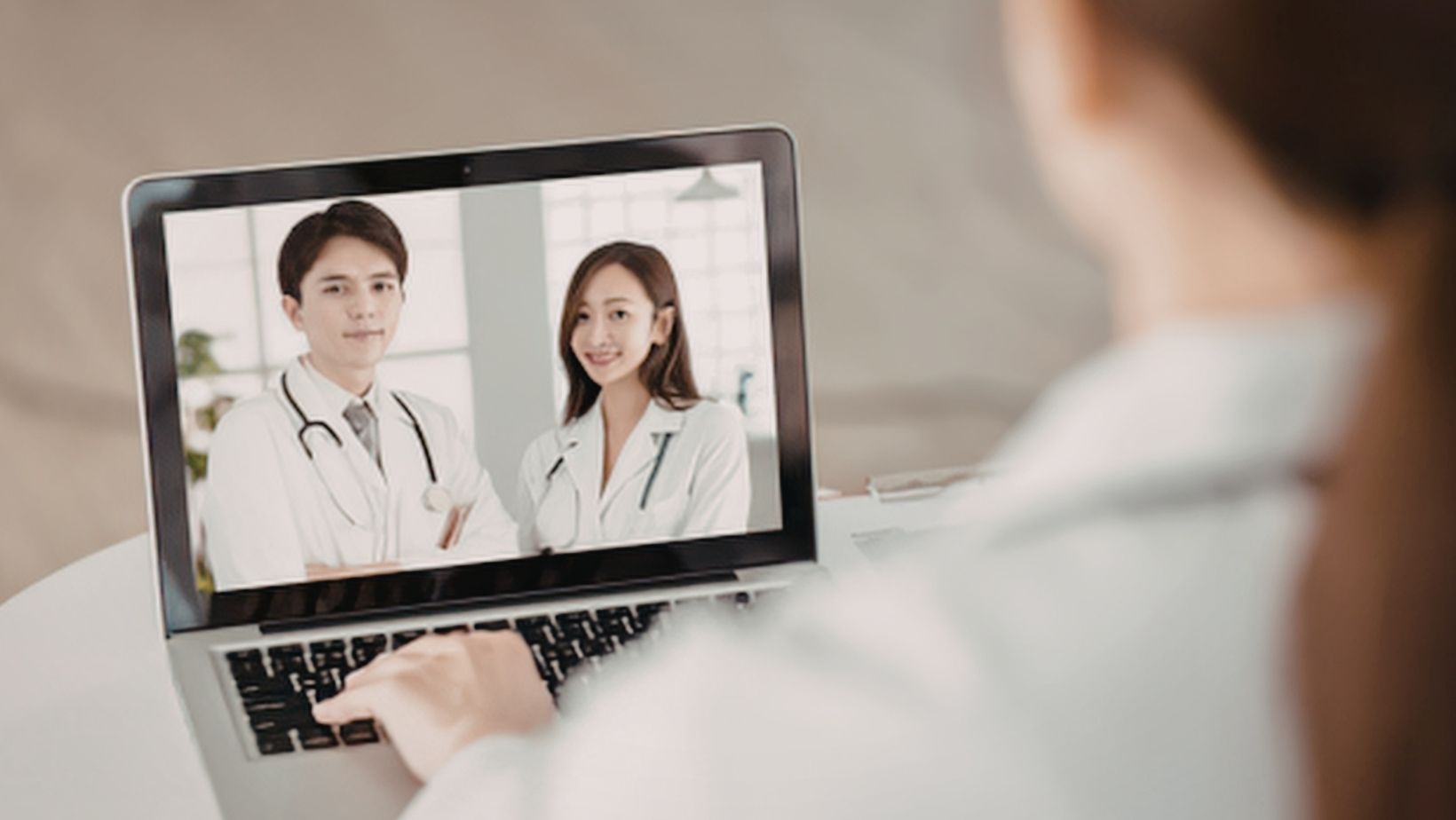
The industry is leaning heavily into structured evaluation methods that can be accessed digitally. For those looking to sharpen their diagnostic eye, taking part in online facial aesthetics assessments has become a standard part of professional development. These digital evaluations allow a doctor to test their knowledge against complex cases in a risk-free environment. By analyzing high-resolution imagery and determining the best course of action through a screen, practitioners build a mental database of anatomical variations. This translates directly to better outcomes in the clinic; the practitioner becomes more confident because they have already “seen” and solved these structural puzzles dozens of times online.
Breaking Down the Learning Curve
We have to admit that the learning curve for advanced aesthetics is steep. It is not just about the hands; it is about the brain. You have to think in 3D while looking at a 2D surface. This is why the VOD format works so well for facial mapping. It allows for a layered approach to education. You start with the bone, then the muscle, then the fat, and finally the skin.
- Foundational Anatomy: Re-learning the skull and the attachment points of key muscles.
- Product Rheology: Matching the right filler “G-prime” to the specific facial layer identified in the map.
- Complication Management: Learning to spot the early signs of vascular compromise through video case studies.
- Live Demonstrations: Watching expert injectors handle real patients with varying skin types and ages.
A More Analytical Approach
The tone in the industry is shifting toward a more sober, analytical perspective. We aren’t just “beautifying” anymore. We are performing medical interventions that require deep anatomical knowledge. The growth of VOD training reflects this seriousness. Doctors are choosing to spend their evenings watching masterclasses because they know the competition is getting tougher. Patients are more educated now; they ask better questions. If a doctor can’t explain the anatomy, they lose credibility.
VOD platforms also offer something that a textbook cannot: the element of time. You can see how a treatment looks immediately after injection, and then see the follow-up video two weeks later. This longitudinal view is crucial for understanding how products settle. It teaches the injector to be patient; to realize that sometimes less is indeed more.
The Shift in Professional Standards
We are moving toward a future where “I saw this on a one-day course” won’t be enough. Regulators and insurers are looking for more robust evidence of ongoing education. Digital platforms provide a paper trail of learning. They offer certificates and logs of hours spent studying. This is great for the industry. It raises the baseline of safety. It ensures that even a solo practitioner in a small town has access to the same high-level expertise as someone working in a major city clinic.
The democratization of knowledge is the real story here. High-quality facial mapping used to be a “secret” held by a few top-tier injectors. Now, it is accessible to anyone with an internet connection and a desire to learn. This doesn’t replace hands-on training; nothing ever will. But it makes the hands-on time much more effective. When you show up to a practical session having already watched twenty hours of VOD mapping, you aren’t wasting time on the basics. You are there to refine the nuances.
Conclusion and Looking Forward
The trend of VOD training is only going to grow as the technology behind it improves. We are already seeing 4K cameras and multi-angle setups that provide a better view than the naked eye could ever get in a clinical setting. Facial mapping is no longer a niche skill; it is the foundation of the entire practice. By leaning into these digital resources, aesthetic doctors are not just keeping up with a trend. They are ensuring they provide the safest, most effective results possible for their patients. The map is there; you just have to learn how to read it.