
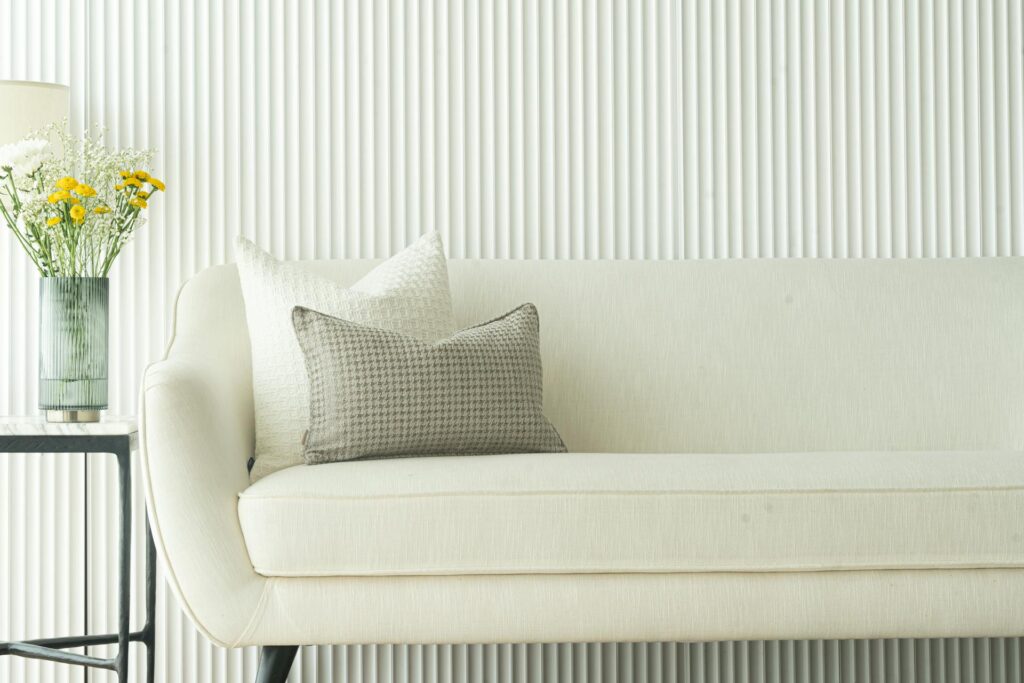
A lot of people come home feeling just as tired as they were outside. You sit down, scroll your phone, maybe turn on the TV but your mind doesn’t really settle. That constant low-level restlessness often has less to do with your schedule and more to do with your space. Many homes look good on the surface but quietly work against your energy.
Soft living starts with noticing this disconnect. When your home supports how you actually live, it becomes easier to relax, focus, and recharge without forcing it.
Notice What Feels Off in Your Space
Before changing anything, pay attention to how each part of your home makes you feel. Walk through your space slowly and notice where you feel tense, distracted, or uncomfortable. It could be a chair you avoid using, a corner that always feels messy, or lighting that feels too harsh at night. These small details often get ignored, but they affect your mood more than you realize. Try to observe without judging your space. You’re simply identifying friction points. Once you know what feels off, your decisions become clearer. You stop guessing and start fixing specific problems that affect your daily experience at home.
Upgrade Your Space Without Waiting Too Long
Many people delay improving their homes because they think changes need to be large or expensive. That mindset often leads to living in a space that doesn’t feel right for longer than necessary. Start with what you can manage now, even if it’s one area at a time. Replace what feels uncomfortable, fix what’s been ignored, and improve what you use daily. If you’re planning a bigger upgrade like new furniture or a layout change, some homeowners explore options like an online loan to handle the cost without delaying improvements that affect daily comfort. The focus should stay on making your space more livable in a practical and manageable way.
Soft Living Upgrades That Make Your Bedroom Easier to Rest In
Your bedroom should help your body slow down without effort. Start with your bed, because that’s where comfort matters most. Use breathable sheets and a pillow that supports your neck properly. Many people ignore this and end up waking up tired. Keep your bedside setup simple. A small lamp, water, and one or two essentials are enough. Remove anything that reminds you of work or stress. Pay attention to light control. Curtains that block outside light can improve sleep quality. Also, avoid bright overhead lights at night. A calm bedroom reduces overstimulation and helps your body shift into rest mode more naturally.
Simple Bathroom Changes That Improve Your Daily Routine
Your bathroom sets the tone for both the start and end of your day. Small upgrades here can make routines feel smoother. Replace harsh white lights with softer lighting, especially near mirrors. This makes early mornings feel less abrupt. Keep surfaces clear so your essentials are easy to access without digging through clutter. Invest in good-quality towels that feel comfortable on your skin. It sounds minor, but it changes how you experience your routine. Add a simple hook or tray to keep frequently used items within reach. A well-organized bathroom reduces friction and helps you move through your day without unnecessary stress or delays.
Making Your Kitchen Feel Calm Instead of Overwhelming
A cluttered kitchen can make even simple tasks feel tiring. Start by clearing your counters and keeping only what you use daily. Store the rest out of sight so your space feels open. Group similar items together so you don’t waste time searching for things. If cooking feels stressful, check your layout. Keep tools close to where you use them. Lighting also matters here. Use softer lighting in the evening to shift the mood from work to relaxation. A calm kitchen makes it easier to prepare meals without feeling rushed or overwhelmed. This directly affects how you experience daily routines at home.
Designing a Living Room That Helps You Actually Unwind
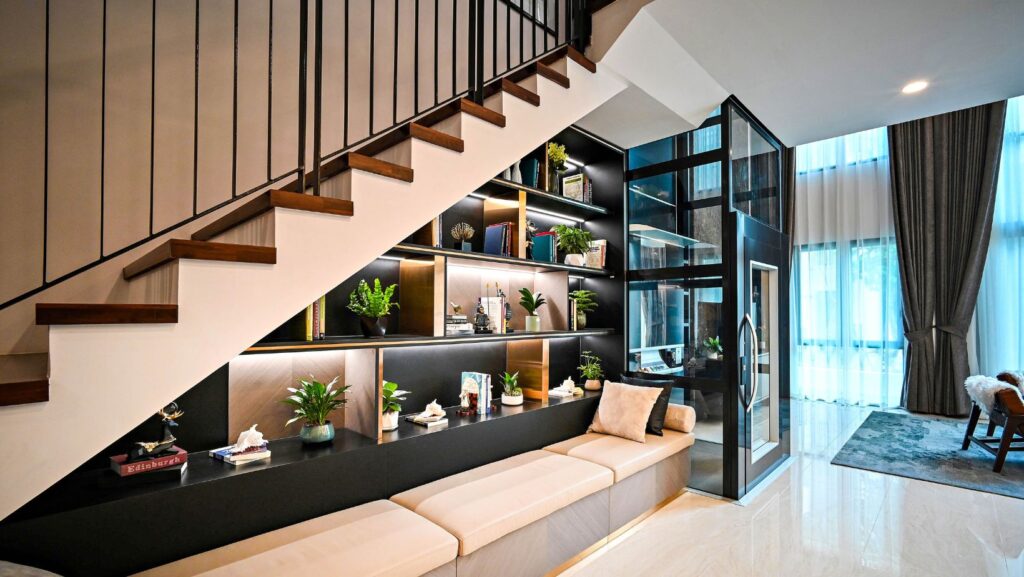
Your living room often becomes a mixed-use space, which can make it harder to relax. Decide what this space is mainly for. If you want it to support rest, arrange your seating to feel comfortable and inviting. Avoid layouts that face distractions from every angle. Keep soft elements like cushions and throws within reach so you can settle in quickly. Limit visual noise by reducing unnecessary decor or tangled cables. If your TV area feels too intense, balance it with softer lighting around the room. A well-designed living room gives your mind a clear signal that it’s time to slow down and disconnect.
Creating Entry Spaces That Set the Tone for Your Home
The way you enter your home affects how you feel right away. If your entry area feels messy or crowded, it can carry that stress into the rest of your space. Keep this area simple and functional. Add a place to drop keys, shoes, or bags so they don’t spread into other rooms. Good lighting here helps you transition from outside to inside without feeling rushed. Even a small bench or hook can make a big difference. This space doesn’t need decoration as much as it needs clarity. A clean, organized entry point makes coming home feel smoother and more controlled.
Create a Quiet Corner for Doing Nothing
Every home needs a small space where nothing is expected from you. This doesn’t have to be a full room. A chair near a window, a floor cushion, or even a simple corner with soft lighting can work. The key is to keep it free from distractions. Don’t bring your laptop or set up a screen here. This space should signal rest the moment you sit down. Over time, your mind starts to associate that spot with slowing down. It becomes easier to pause without effort. Having a dedicated place like this helps break the habit of constant stimulation and gives your mind a place to settle.
A home that supports your energy doesn’t require a full redesign. It comes from paying attention to how your space feels and making small, thoughtful changes that improve daily living. When your lighting feels calm, your seating feels comfortable, and your space matches your routine, your home starts to work with you instead of against you. These changes don’t need to happen all at once. Start with one area that feels off and improve it step by step. Over time, those adjustments build a home that feels easier to live in. When your environment supports you, it becomes much simpler to rest, focus, and feel settled every day.