
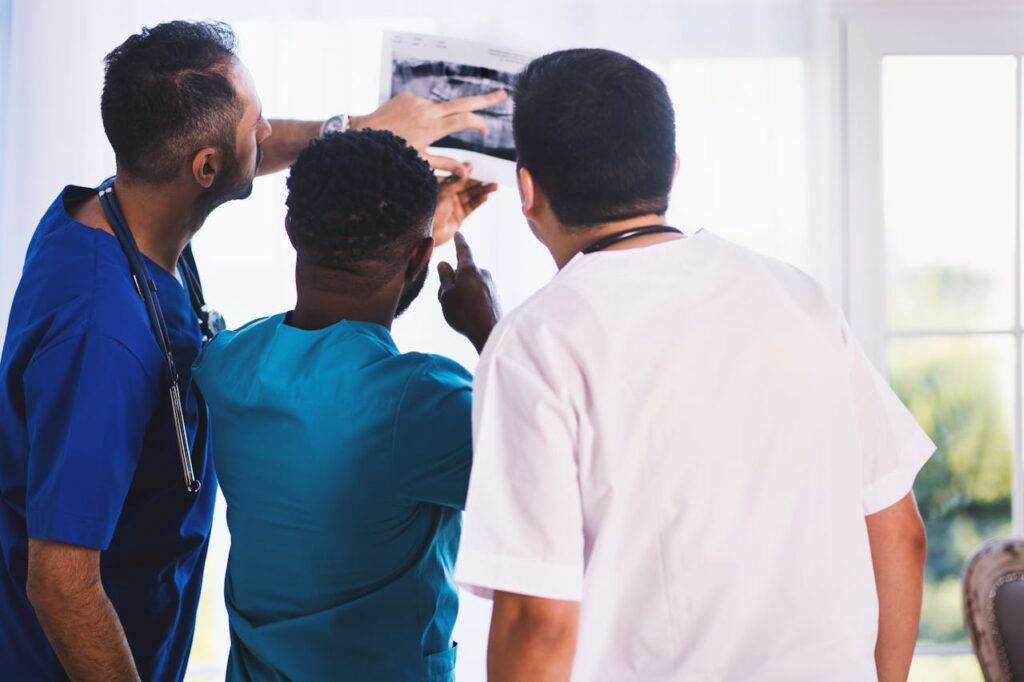
When veins stop efficiently returning blood to the heart, symptoms can range from cosmetic concerns to painful, potentially limb-threatening conditions. A vein specialist provides targeted evaluation and treatments designed to restore circulation, relieve discomfort, and prevent long-term complications. Clinics such as Metro Vein emphasize accurate diagnosis, minimally invasive procedures, and personalized care plans for lasting results. This guide explains what a vein specialist does, the common conditions they treat, the diagnostic tools they use, treatment options from minimally invasive techniques to surgical interventions, safety considerations, and how to choose a practitioner who delivers effective, patient-centered care.
What is a Vein Specialist and What Do They Treat
A vein specialist is a physician focused on disorders of the venous system. They may come from varied training backgrounds, vascular surgery, interventional radiology, cardiology, or phlebology, but share the same focus: diagnosing and treating venous insufficiency, varicose veins, spider veins, venous ulcers, deep vein thrombosis (DVT), and other circulation-related problems.
Vein specialists treat a spectrum of issues:
- Chronic venous insufficiency (CVI), where valves in leg veins fail and cause pooling of blood
- Superficial venous reflux leading to varicose veins and symptoms such as aching or heaviness
- Spider veins for cosmetic and symptomatic relief
- Acute and chronic DVT, including prevention and management of post-thrombotic syndrome
- Venous ulcers and skin changes related to long-term venous disease
Because venous disease often coexists with medical conditions, obesity, pregnancy, prolonged sitting or standing, and clotting disorders, the vein specialist coordinates care with primary care, hematology, and vascular medicine as needed. Patients benefit most when evaluation and treatment are evidence-based and individualized rather than one-size-fits-all.
Common Vein Conditions and When to See a Specialist
Vein problems range from mild cosmetic complaints to urgent vascular disease. Knowing when to consult a specialist helps prevent progression and complications.
Common conditions seen by vein specialists
- Varicose veins: bulging, twisted superficial veins in the legs, often accompanied by aching or swelling
- Spider veins: small superficial vessels that create a web-like appearance: mainly cosmetic but sometimes symptomatic
- Chronic venous insufficiency: long-standing reflux leading to leg swelling, skin discoloration, or ulcers
- Deep vein thrombosis: clots within the deep venous system that risk embolization and long-term vein damage
- Venous ulcers: open wounds usually around the ankle, often due to chronic venous hypertension
When to see a specialist
- Persistent leg swelling, heaviness, or throbbing that doesn’t improve with conservative care
- New or worsening varicose veins, especially when painful, bleeding, or limiting activity
- Recurrent or unexplained leg ulcers or skin changes such as hyperpigmentation or eczema
- Signs of DVT, sudden leg pain, swelling, warmth, or symptoms suggesting pulmonary embolism (sudden shortness of breath, chest pain)
Symptoms and Red Flags to Watch For
Not every visible vein needs intervention, but certain signs demand prompt evaluation:
- Acute unilateral leg swelling, especially with pain and redness, is possible DVT
- Sudden onset of shortness of breath or chest pain in someone with known DVT, emergency
- Non-healing skin ulcers or progressive skin breakdown over months
- Rapid enlargement or bleeding of a varicose vein
A timely consultation reduces risk and can often avoid extensive surgery by using minimally invasive options when appropriate.
Diagnostic Tools and How Vein Problems are Evaluated
Accurate diagnosis underpins safe and effective vein treatment. Vein specialists rely on a combination of clinical assessment and imaging to map disease and plan therapy.
Invasive Tests and When They are Needed
Invasive studies are reserved for complex or ambiguous cases. Examples include:
- Venography: contrast imaging of veins to visualize anatomy when ultrasound is inconclusive
- Intravascular ultrasound (IVUS): used during procedures such as venous stenting to precisely map lesion length and diameter
- Pressure measurements across venous segments in research or select clinical scenarios
Treatment Options: From Minimally Invasive to Surgical
Modern vein care emphasizes minimally invasive, office-based procedures whenever effective. These treatments reduce recovery time and lower complication rates compared with traditional open surgery.
Endovenous Thermal and Nonthermal Ablation
Endovenous thermal ablation (radiofrequency or laser) uses heat to close refluxing saphenous veins. It’s performed under local anesthesia, typically with ultrasound guidance, and patients often walk out the same day. Benefits include rapid symptom relief, low recurrence rates, and minimal scarring.
Nonthermal alternatives, such as mechanochemical ablation and cyanoacrylate (medical glue) closure, avoid tumescent anesthesia and reduce post-procedure bruising. These options are especially useful for patients sensitive to heat or with anatomy that complicates thermal techniques.
Sclerotherapy and Foam Treatments
Sclerotherapy injects a solution or foam into abnormal veins, causing them to seal and be reabsorbed. It’s highly effective for spider veins and small varicose tributaries. Ultrasound-guided foam sclerotherapy treats deeper or larger varicosities that are not amenable to simple surface injections.
Ambulatory Phlebectomy, Venous Stenting, and Bypass Procedures
Ambulatory phlebectomy removes large superficial varicose veins through tiny skin incisions and is often combined with ablation. Venous stenting addresses central vein obstructions (for example, iliac vein compression), restoring flow and relieving swelling. Open bypass or surgical reconstruction is now uncommon but remains an option for complex, extensive disease that fails less invasive measures.
A comprehensive treatment plan may combine therapies, ablation to treat a refluxing saphenous vein, phlebectomy for bulging tributaries, and sclerotherapy for residual spider veins, to achieve the best cosmetic and functional outcomes.
Safety, Risks, and What to Expect During Recovery
Vein procedures are generally safe, but informed consent requires understanding potential risks and the recovery pathway.
Common Complications, How They’re Managed, and Patient Preparation
Typical risks include bruising, transient numbness from small nerve irritation, superficial thrombophlebitis, and rare deep vein thrombosis. Thermal techniques carry a low risk of skin burn or nerve injury when performed by experienced clinicians. Complications are usually manageable: oral analgesics for discomfort, compression for inflammation, and short courses of anticoagulation when thrombosis occurs.
Preparation often involves stopping certain medications, planning for compression stockings, and arranging short-term activity modifications. Patients with clotting disorders or previous DVT require tailored anticoagulation planning in coordination with hematology.
Aftercare, Compression Therapy, and Follow-Up Protocols
Aftercare varies by procedure but commonly includes:
- Wearing graduated compression stockings for 1–3 weeks
- Walking regularly to promote circulation
- Avoiding strenuous exercise for a short period
- Follow-up ultrasound at intervals to confirm vein closure and exclude complications
Quality programs track outcomes and patient-reported symptoms to refine care. Choosing a specialist who provides clear aftercare instructions and accessible follow-up improves outcomes and patient satisfaction.
Choosing the Right Vein Specialist for Safe, Effective Care
Selecting the right practitioner matters. Effective vein care combines technical skill, appropriate use of technology, and a patient-centered approach.
Evaluating Credentials, Experience, and Patient Outcomes
Look for board certification in a relevant specialty, fellowship, or focused training in venous disease, and membership in professional societies. Ask about procedural volume and success rates; high-volume clinicians typically report fewer complications and better outcomes.
Patient outcomes are best judged by objective data: published results, registry participation, or practice-provided anonymized outcome metrics. Before-and-after photos help with cosmetic expectations but prioritize functional improvement and complication rates.
Questions to Ask During Your Consultation
- What is the exact diagnosis, and what caused it?
- Which treatments are appropriate and why? What are the alternatives?
- What are the expected benefits, risks, and recovery timelines?
- How often do you perform this procedure, and what are your success and complication rates?
- What is the estimated cost, and does insurance cover it?
- How will follow-up care be managed, and what happens if complications arise?

A thorough consultation should feel collaborative. The best specialists explain options plainly, tailor treatment to the patient’s lifestyle and goals, and set realistic expectations.
Conclusion
Vein specialists provide a continuum of care from precise diagnostics to minimally invasive and surgical treatments, designed to relieve symptoms, heal complications, and prevent progression. Safety and effectiveness depend on accurate evaluation, evidence-based treatment selection, and careful follow-up. Patients who ask informed questions, verify credentials, and choose a specialist with transparent outcomes are most likely to achieve durable, satisfying results. Whether addressing a cosmetic concern or a limb-threatening condition, modern vein care offers powerful, often outpatient solutions that restore comfort and function.