
Walking into a vet clinic used to feel like stepping back into a specific kind of lobby history. You had the beige counters; the bulky monitors; the tangled cords of a credit card reader that only worked if you swiped the card just right. It was a bottleneck. Your dog is pulling at the leash, your cat is howling in the carrier, and you are stuck waiting for a receipt to print. But things are shifting. The way we handle the money side of pet care is finally catching up to the medical side.
We are seeing a massive move toward mobility. It is not just about being “high-tech” for the sake of it; it is about removing the physical and emotional friction that happens at the end of a visit. When a clinic adopts modern veterinary practice payment solutions, they are essentially clearing the runway for better medicine. It allows the staff to stop being gatekeepers of a terminal and start being caregivers again.
The Death of the Front Desk Bottleneck
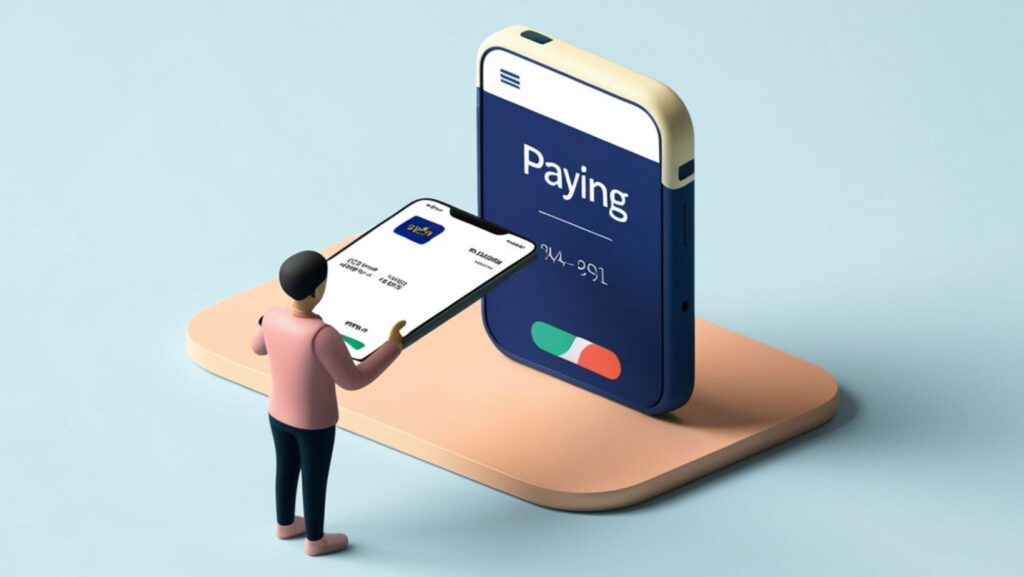
The traditional “check-out” process is often the most stressful part of a vet visit. You have just received a lot of information, maybe some tough news, and now you have to stand in a crowded lobby to pay. Mobile payment processing changes that entire flow. Instead of a fixed station, technicians can carry handheld devices directly into the exam room.
This shift creates a much more private environment. You can discuss the bill, tap your phone or card, and head straight to your car. No more navigating a gauntlet of barking dogs while trying to find your wallet.
- Exam Room Checkout: Payments happen where the consultation happens.
- Reduced Anxiety: Pets stay calmer when they don’t have to wait in high-traffic lobbies.
- Digital Receipts: No more losing little slips of thermal paper; everything goes to your email instantly.
- Staff Efficiency: Front desk teams can focus on triage and phones instead of processing every single transaction.
The flow just feels more natural. It is less like a retail transaction and more like a continuation of the care you just received.
Flexibility in the Face of High Costs
Let’s be honest; veterinary medicine is getting expensive. Technology is getting better, but the price tag follows suit. One of the biggest hurdles for pet owners right now is “sticker shock” at the counter. This is where mobile and integrated systems really shine. They allow for a variety of “buy now, pay later” options or internal wellness plans to be presented and signed for right on a tablet.
Having the ability to break down a large emergency bill into manageable chunks without leaving the side of your sick pet is a game-changer. It takes the “transactional” sting out of the moment. When the payment system is integrated into the practice management software, there is no manual entry; no typos; no awkward “wait, let me go check the computer” moments. It is all there.
The shift toward these digital-first tools is actually helping clinics survive the current labor shortage. When you have fewer people on staff, you cannot afford to have someone tethered to a desk just to run credit cards. By moving the payment process to the palm of a hand, the clinic can operate with a leaner, more agile team. It simplifies the end-of-day reconciliation too. Instead of spending an hour balancing the drawer and chasing down missing receipts, the software does it automatically. It gives time back to people who are already stretched thin.
Security and the “Invisible” Transaction
Security used to mean keeping a carbon copy of a credit card in a drawer. Now, it is all about tokenization and encryption. Mobile systems are actually more secure than the old-school swipe-and-sign method. Because these platforms use NFC (Near Field Communication) and chip technology, the actual card data is never stored on the clinic’s devices.
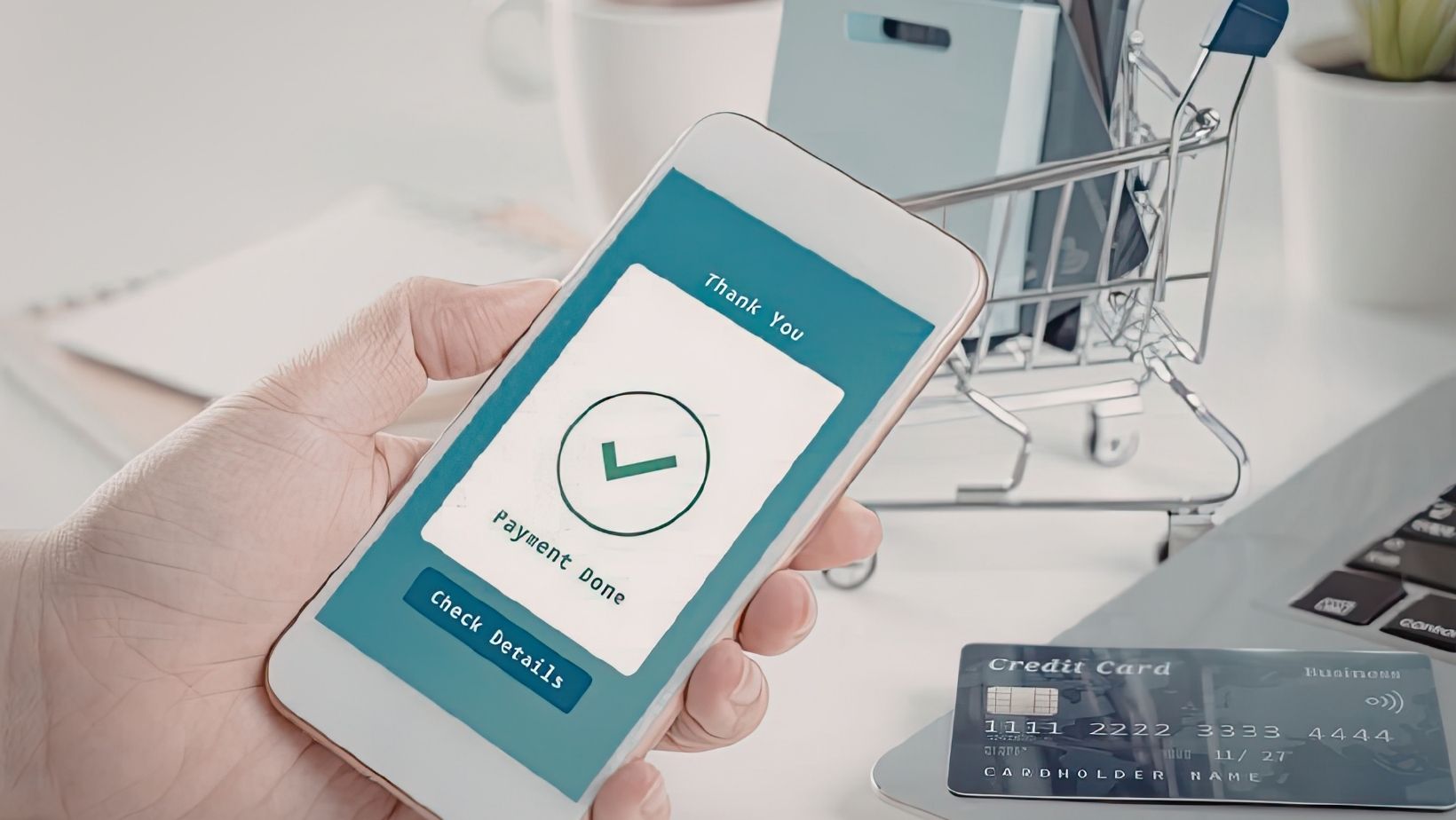
This creates a level of trust that is hard to build with outdated hardware. Clients see the “tap to pay” icon and they know their data is handled with the same standard they see at a high-end grocery store or an Apple Store. It is professional. It feels secure.
Why the Hardware Matters:
- Durability: Modern mobile readers are built for “vet life,” which means they can survive a drop or a splash.
- Connectivity: They work over Wi-Fi or LTE, so if the clinic’s main internet goes down, the business doesn’t stop.
- Battery Life: These devices are designed to last a full shift of back-to-back appointments.
A Better Future for the Whole Team
We often talk about the “client experience,” but we have to look at the vet tech experience too. These are the people on the front lines. If their tools are frustrating, their day is frustrating. Moving to a mobile-first payment strategy removes one of the most common points of conflict between staff and clients.
When a payment is “invisible”—meaning it is fast, easy, and happens in the background—the focus stays on the animal. We are moving toward a world where you might not even “check out” in the traditional sense. You might just walk out while your card on file is processed via a text-to-pay link. It sounds futuristic, but it is already happening.
The goal is simple: less time talking about money, more time talking about the pet.