
Starting a salon can be an exciting opportunity for beauty professionals who want to turn their skills into a sustainable business. However, technical talent alone rarely creates a successful brand. Entrepreneurs also need to think carefully about customer experience, business systems, workplace standards, marketing, and long-term growth.
A professional salon brand develops through hundreds of small decisions that shape how customers perceive the business. From the atmosphere of the space to the way appointments are managed, every detail contributes to the overall impression. Building these foundations early can help a new beauty business earn trust and stand apart in a competitive market.
Start With a Clear Brand Identity
Before choosing furniture or designing a logo, salon entrepreneurs should decide what their business will represent. A clear identity helps guide decisions about pricing, services, marketing, décor, and customer experience. It also makes the salon easier for potential customers to understand and remember.
Some salons position themselves around luxury and exclusivity, while others emphasize convenience, creativity, affordability, or specialized expertise. There is no single approach that works for every entrepreneur. The important thing is creating an identity that matches the target audience and remaining consistent as the business grows.
Understand the Customers You Want To Serve
Successful entrepreneurs rarely try to appeal to everyone. Understanding the ideal customer makes it easier to create services, prices, and experiences that meet specific expectations. Researching local demographics and competitors can provide valuable insight into gaps within the market.
Customer needs should influence practical decisions as well. Busy professionals may value convenient online booking and extended hours, while clients seeking premium treatments might prioritize personalized attention and a relaxing atmosphere. Knowing what matters to customers allows entrepreneurs to invest their limited startup resources more strategically.
Create a Consistent Customer Experience
Branding extends far beyond colors, fonts, and social media graphics. Customers form opinions about a salon through every interaction, including booking appointments, arriving at the location, receiving services, and paying afterward. Consistency across these touchpoints helps establish professionalism and reliability.
Entrepreneurs should consider the entire customer journey from the client’s perspective. Simple details such as appointment reminders, clear pricing, friendly greetings, comfortable seating, and efficient checkout procedures can make visits more enjoyable. These experiences often determine whether customers return or recommend the salon to others.
Invest In a Professional Working Environment
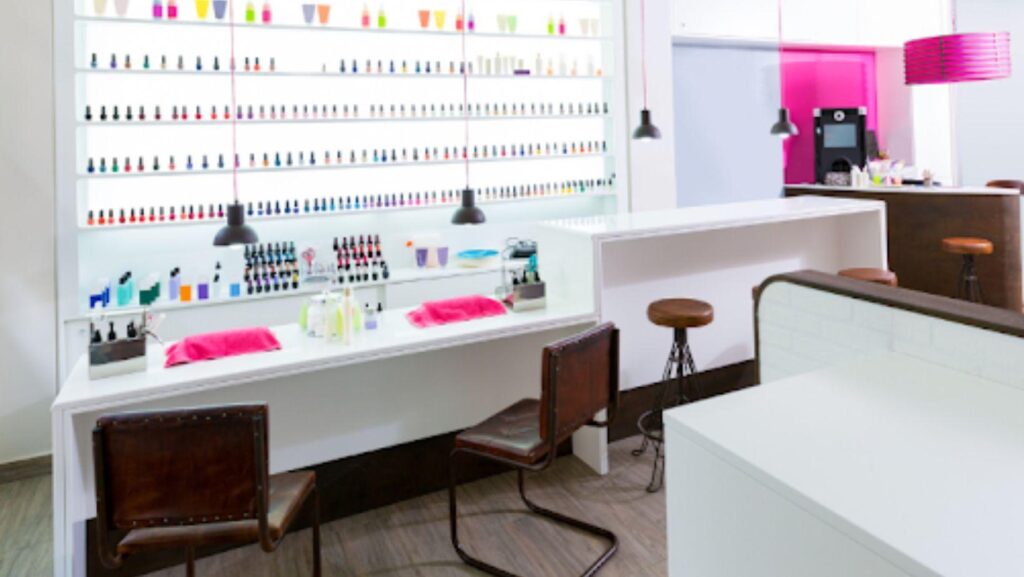
A salon’s physical environment communicates important information about the business. Clean workstations, organized supplies, comfortable furniture, appropriate lighting, and dependable equipment can reinforce the impression that services are delivered carefully and professionally. Entrepreneurs should view these purchases as business investments rather than purely decorative expenses.
For nail salons, equipment that supports cleanliness and efficient working conditions can be especially valuable. Entrepreneurs researching professional dust collection solutions can explore options such as F.O.X Nails online shop while planning a functional workspace that supports both technicians and customers.
Build Strong Operating Systems Early
Small businesses often begin with informal processes because the owner handles almost everything personally. That approach can work temporarily, but it becomes difficult to maintain as appointments increase and additional employees join the business. Creating organized systems from the beginning makes future growth easier.
Salon owners can establish procedures for booking, inventory management, cleaning, payments, customer records, and employee responsibilities. Documenting these processes also helps maintain consistency when new team members are hired. Strong systems allow entrepreneurs to spend less time solving routine problems and more time improving the business.
Develop a Memorable Online Presence
Many customers encounter a salon online before they ever visit in person. A professional website and active social media presence can help entrepreneurs demonstrate their expertise, showcase their work, and communicate the personality of their brand. Accurate information about services, pricing, opening hours, and booking options should be easy to find.
Visual consistency is particularly important in the beauty industry because customers often judge businesses through photographs and videos. Using recognizable colors, photography styles, and messaging across digital platforms can strengthen brand recognition. High-quality images of completed work can also give potential customers confidence in the salon’s abilities.
Make Reputation Building a Priority
For a new salon, reputation can become one of its most valuable business assets. Positive recommendations reduce the amount of convincing required when attracting new customers because people naturally trust experiences shared by friends, relatives, and online reviewers. Delivering consistently good service provides the foundation for this organic growth.
Entrepreneurs can encourage satisfied customers to leave reviews without making the process uncomfortable or overly promotional. Responding professionally to both positive and negative feedback demonstrates that the business takes customer experiences seriously. Constructive criticism can also reveal opportunities to improve services or internal processes.
Manage Finances With Growth In Mind
Creative entrepreneurs sometimes focus heavily on their craft while giving less attention to financial management. Yet even a popular salon can struggle if expenses, pricing, taxes, and cash flow are poorly managed. Understanding the numbers behind the business is essential for making informed decisions.
Owners should calculate the real cost of providing each service, including products, labor, equipment, rent, utilities, and administrative expenses. Prices need to cover these costs while generating enough profit for reinvestment and future growth. Regularly reviewing financial performance can reveal which services are performing well and where changes may be necessary.
Build a Team That Reflects the Brand
Hiring employees introduces another important dimension to salon branding. Every technician, receptionist, or stylist becomes a representative of the business through their interactions with customers. Skills matter, but professionalism, communication, and attitude are equally important when creating a cohesive team.
Clear expectations and ongoing training can help employees understand the standards the salon wants to maintain. Entrepreneurs should also create an environment where team members feel respected and have opportunities to develop their abilities. A stable, motivated workforce can contribute significantly to customer loyalty and operational consistency.
Think Beyond the Launch
Opening day is only the beginning of building a salon brand. Customer preferences change, competitors enter the market, and new technologies influence how beauty businesses operate. Entrepreneurs need to remain curious and willing to adjust without abandoning the identity that makes their salon distinctive.
Tracking customer feedback, financial results, booking patterns, and industry developments can help owners identify opportunities for improvement. Growth does not always mean immediately opening another location. It might involve introducing new services, improving efficiency, hiring additional specialists, or increasing customer retention.
Build a Brand Designed To Last
A professional salon brand is created through consistent experiences rather than a single marketing campaign. Entrepreneurs who combine strong technical skills with thoughtful business systems, financial discipline, workplace standards, and customer service can build a foundation capable of supporting sustainable growth.
The strongest beauty businesses continue evolving while maintaining the qualities that earned customer trust in the first place. By treating every operational and branding decision as part of a larger business strategy, salon entrepreneurs can create companies that feel professional from the beginning and become stronger over time.