
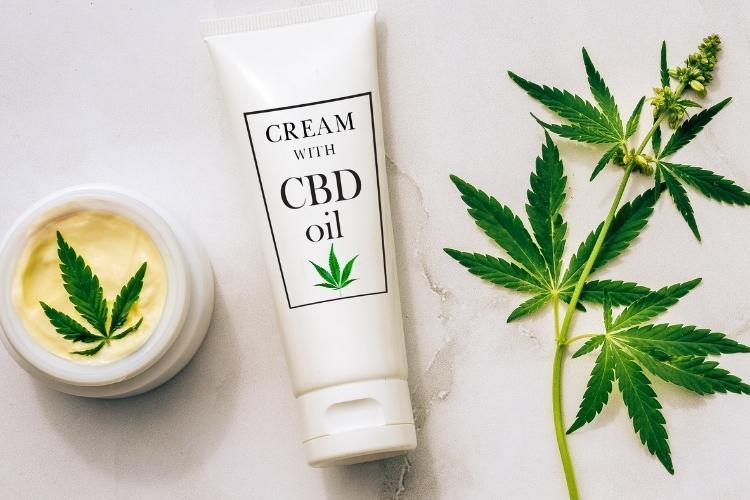
Cannabis once occupied a fairly narrow corner of the beauty conversation. For many shoppers, CBD was their first encounter with cannabis-related skincare, appearing in everything from face creams to bath products. Yet the conversation has since become much broader.
Interest in the plant now extends beyond a single ingredient to fragrance, botanical sourcing, plant genetics, cultivation, and the wider aesthetics of wellness.
People increasingly want to understand the story behind the plants associated with their routines, including where they come from and how different varieties are distinguished. Cannabis has become part of that curiosity, bringing a once-taboo plant into conversations about provenance, sensory rituals, and sophisticated self-care.
Cannabis Has Moved Beyond the CBD Label
CBD helped introduce cannabis terminology to beauty shoppers who might otherwise have paid little attention to the plant. As cannabis-related products became more visible, consumers also encountered a confusing vocabulary surrounding hemp, cannabinoids, varieties, and cultivation.
That distinction matters because “cannabis” is an umbrella term rather than a description of one beauty ingredient. A product associated with cannabis may use a particular plant-derived ingredient, while another might simply borrow its scent profile, visual identity, or cultural associations. Seeing the word on packaging does not tell you everything about what is inside.
Luxury shoppers can approach these products in much the same way they would any premium skincare purchase: ask what the cannabis connection actually is and what role, if any, the relevant ingredient plays in the formula.
Botanical Provenance Has Become Part of Luxury
Luxury beauty has long appreciated provenance. Rose, lavender, jasmine, and other botanicals often arrive with stories about their varieties, growing conditions, and origins. Cannabis fits surprisingly well into this established interest in plants.
The wider cannabis world contains different varieties with individual genetic backgrounds and characteristics. That makes the starting material relevant to anyone interested in the plant beyond a finished beauty product.
For beauty audiences, the key point is that cannabis’ growing visibility shows consumers are becoming interested in the identity of plants themselves.
From Plant Genetics to Beauty Culture
That interest becomes particularly clear when looking at how cannabis varieties are discussed. Names, genetics, and individual plant characteristics have created a vocabulary that reaches beyond the generic idea of “cannabis.”
As interest in cannabis has grown, so has curiosity around the individual varieties available and what sets them apart. In places where purchasing cannabis seeds is legal, enthusiasts can shop Blue Lobster seeds online from Grower’s Choice Seeds alongside researching the genetics and characteristics behind different varieties.
This mirrors a broader habit among luxury consumers. Someone interested in perfume may learn the difference between varieties of rose. A skincare enthusiast might investigate the source of a particular botanical oil. Cannabis invites similar curiosity about what sits behind the name.
The practical lesson is simple: specificity matters. Treat “cannabis” as the beginning of a question rather than the answer. Look at the actual ingredient, plant terminology, and context instead of assuming every cannabis-associated product or variety is interchangeable.
Scent Is Giving Cannabis a Different Identity
Beauty’s relationship with cannabis is not limited to skincare. Fragrance offers another entry point into the conversation, especially as consumers grow more interested in unusual botanical and earthy scent profiles.
Cannabis is strongly associated with aroma, and individual plants can have noticeably different scent characteristics. This makes the plant relevant to a beauty culture already fascinated by how natural materials smell and how those aromas influence a sensory experience.
Importantly, a cannabis-inspired fragrance does not need to function like a cannabis product. Perfumery frequently interprets ideas, places, and plants rather than reproducing them literally. A fragrance can evoke green leaves, woods, herbs, or earthy notes while telling a story inspired by cannabis culture.
For shoppers, this is another reason to look beyond names. A cannabis reference on a perfume bottle may describe an olfactory idea rather than its functional ingredients. Reading the notes and composition gives a clearer picture of what you are actually buying.
Luxury Wellness Is Becoming More Ritual-Focused
The beauty industry’s interest in cannabis also reflects a larger change in how luxury is defined. A premium routine is no longer solely about displaying an expensive bottle. Time, atmosphere, and personal rituals increasingly shape the experience.
That might mean taking longer over an evening skincare routine, paying attention to fragrance, creating a calming bathroom environment, or simply turning a daily task into a deliberate moment away from screens and distractions.
Cannabis culture intersects with this interest in ritual because its mainstream image has broadened. It can now appear in discussions about botany, scent, design, and adult lifestyle rather than existing only within older stereotypes.
For beauty brands and consumers alike, however, sophisticated presentation should never replace clarity. Attractive botanical imagery and luxurious language can create an appealing mood, but shoppers still benefit from asking what a product contains and what claims it makes.
How to Approach Cannabis-Related Beauty
As the category becomes more varied, consumers need a simple way to assess what they see. Start with the product itself, not its branding.
Check the ingredient list and identify the specific cannabis-related component, if any. Separate fragrance storytelling from skincare function. Look for clear explanations of what the product is designed to do, and be cautious when packaging relies heavily on vague wellness language.
It also helps to recognize that beauty products, fragrances, cannabis seeds, and other plant-related goods belong to different categories. Their uses, regulations, and purchasing considerations are not interchangeable. Local laws also matter when the conversation moves from cosmetics into cannabis seeds or cultivation.
This distinction allows consumers to appreciate cannabis as a beauty and cultural influence without treating every cannabis-related item as though it serves the same purpose.
Final Thoughts
CBD may have opened the door, but cannabis now occupies a much wider place in beauty culture. Its influence touches botanical provenance, fragrance, plant knowledge and the growing preference for thoughtful personal rituals.
For luxury beauty consumers, curiosity helps, but precision matters more. Read beyond the label, learn what individual terms mean, and distinguish between an ingredient, a scent concept, and the plant itself.
As beauty continues to draw inspiration from the natural world, cannabis is likely to remain part of the conversation. Its most interesting contribution may ultimately be the questions it encourages consumers to ask about the plants, origins, and stories behind modern luxury.