
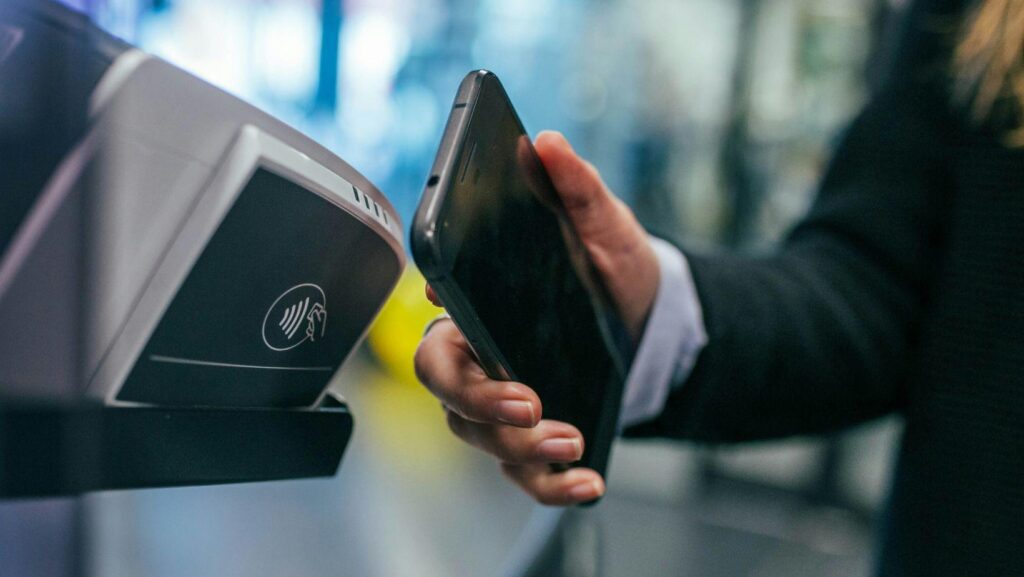
Remember when traveling meant fumbling for foreign money, trying to do exchange rates in your head, and maybe even hiding cash in a money belt? For lots of us, those days are quickly fading. How we pay for things while exploring the world has changed big-time, moving from bulky wallets to just tapping a phone or card. This switch to digital payments is actually changing how we plan, experience, and manage our adventures.
From booking flights to grabbing a souvenir at a local market, digital transactions are making travel smoother, safer, and more accessible than ever. And it’s not just about credit cards anymore. We’re talking mobile wallets, integrated booking sites, and cool new financial tech that’s breaking down old barriers and opening up fresh possibilities for anyone who loves to travel.
Cashless Travel on the Rise
One of the biggest changes you’ll notice in modern travel is how we’re moving away from physical cash. In cities all over the world, you can now easily go a whole day, or even an entire trip, without touching a single coin or banknote. Contactless payments have made transactions super fast and simple.
This convenience also applies to services that used to need cash or complicated bookings. Imagine landing in a new city and wanting to explore without lugging your heavy suitcases around. Instead of hunting for old-school lockers, you can now find and pay for services right from your phone. If you’re heading to the UK, for instance, you could book a left-luggage option by King’s Cross station online, drop off your bags, and carry on with your plans. It’s a small change, but it shows how much easier everyday arrangements have become.
Cashless payment methods are a worldwide trend. Developing nations are also seeing rapid expansion of digital payments, which makes it easier for local vendors and small tour operators to accept payments from international visitors. This helps local economies and gives travelers more authentic experiences. The entire travel world is being affected as new trends constantly reshape global payments and travelers’ expectations.
Security in Digital Transactions
A common question that pops up with this digital shift is about safety. Is it really secure to rely on your phone or a card in a foreign country? Most of the time, the answer is a big yes. In fact, digital payments often offer more security than carrying a lot of cash. If your wallet full of cash gets lost or stolen, that money is probably gone for good. But if your credit card or phone is stolen, you can turn it off almost instantly.
Modern digital payment systems are built with many layers of security. Here are a few key things that help protect your money:
These technologies work together to create a safe environment for travelers. While it’s always smart to be aware of your surroundings, digital payment methods offer a strong safety net that cash just can’t beat.
Streamlining Global Travel Costs
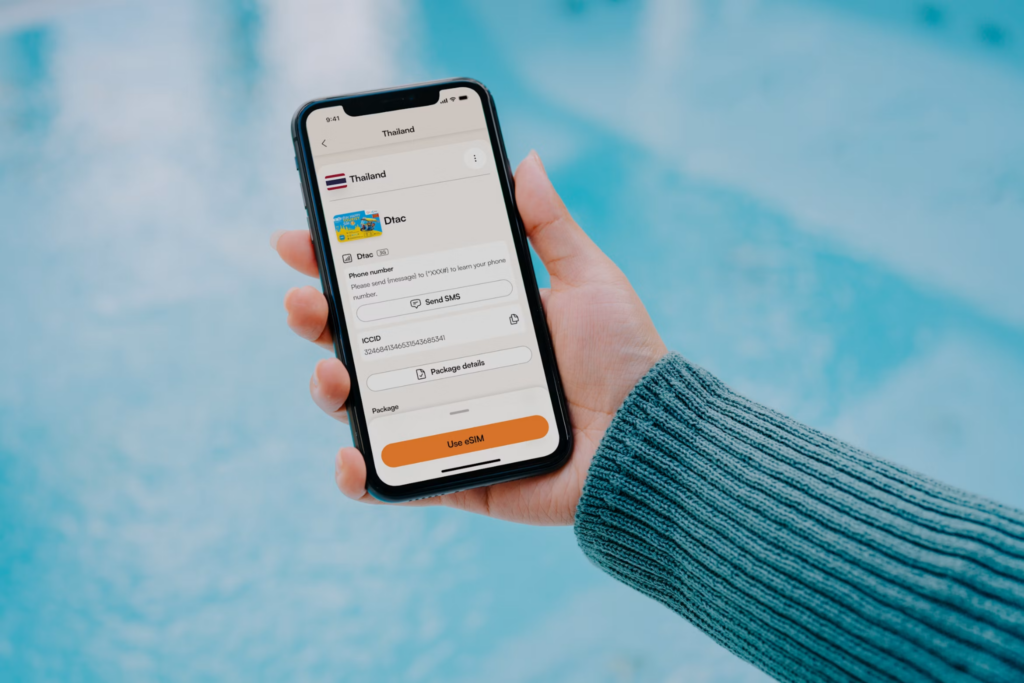
Beyond being convenient and secure, digital payments are also helping travelers manage their money better. Dealing with foreign exchange rates and hidden fees has long been a headache for international travel. In the past, travelers often had to put up with bad exchange rates at airport kiosks or sneaky charges from their home banks.
Today, a new wave of financial technology (fintech) companies and travel-friendly banks are changing the game. Multi-currency accounts and debit cards designed for travelers let you hold money in multiple currencies and help you avoid steep currency conversion fees. These services often provide real-time exchange rates that are much better than those offered by traditional banks. This digital transformation in payments puts more control back in the traveler’s hands.
Digital payments also make budgeting and expense tracking much easier. Many banking apps automatically sort your spending, so you can quickly see exactly how much you’ve spent on food, transport, and accommodation. This real-time overview helps you stick to your budget without the hassle of collecting receipts and manually tracking every single purchase. For travelers who want their money to go further, these tools are super valuable for making smart financial choices on the road.
Innovations in Booking and Services
The impact of digital payments has completely changed how we book and access travel services right from the start of planning. Integrated platforms now let you book flights, hotels, car rentals, and even local tours all in one smooth process, with secure payment options built right in.
One of the coolest new things is the rise of “Buy Now, Pay Later” (BNPL) services in travel. These options let you book that dream vacation and spread the cost over several interest-free payments. This flexibility makes travel more accessible to more people and removes the hurdle of a big upfront payment.
What’s more, digital payments are the backbone of the sharing economy, which has become a go-to for many travelers. Sites like Airbnb, Vrbo, and GetYourGuide rely on secure, integrated payment systems to connect travelers directly with local hosts and guides. This not only offers more unique and affordable choices but also strengthens customer relationships by fostering trust and transparency. From booking a cooking class with a local family to renting a unique home, digital payments make these peer-to-peer experiences possible and safe for everyone involved.
As technology continues to advance, we can expect even greater integration. Imagine a future where your hotel room key, city transit pass, and payment method are all combined into one digital wallet on your phone. The journey toward a completely effortless travel experience is well underway, and digital payments are leading the charge.
This shift to digital is a fundamental change in how travelers think. It gives us more control and lets us focus more on the pure joy of discovery.