
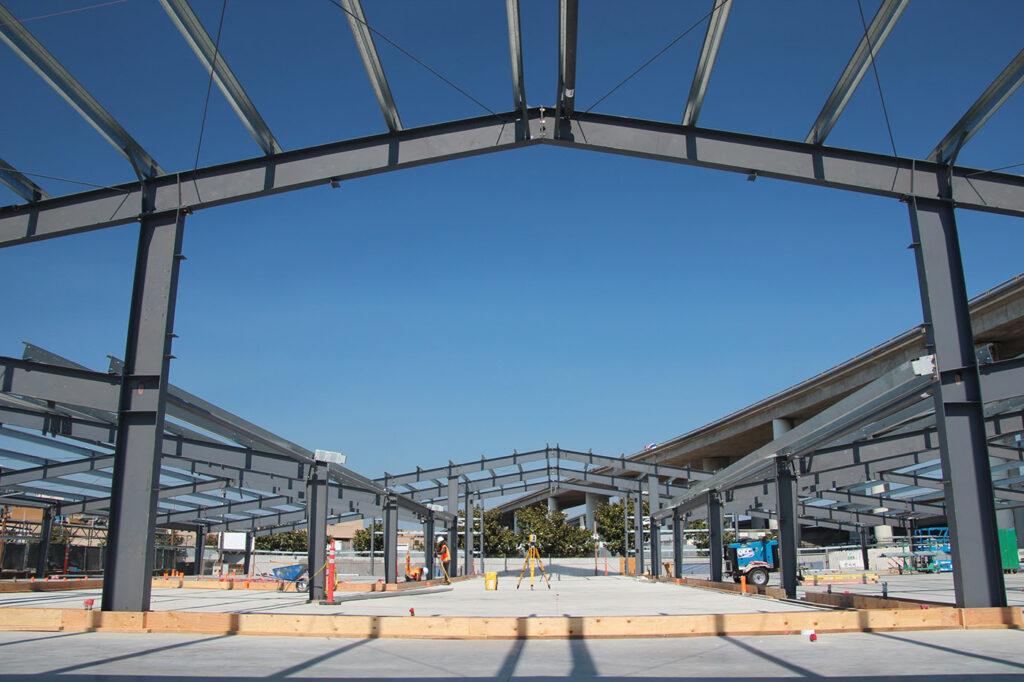
Commercial properties need to be functional, cost-efficient, and visually appealing to attract tenants or serve business needs effectively. Steel has become a top choice because of its durability, adaptability, and affordability. Beyond basic structures, these buildings can be customized in ways that align with specific business goals, branding, and long-term growth plans. Here are five of the best customization ideas to transform standard steel structures into spaces that are both practical and impressive.
1. Flexible Floor Plans
Commercial steel buildings allow for open spans without the need for interior load-bearing walls, which makes flexible layouts possible. Businesses can easily customize floor plans to include office spaces, showrooms, or warehouses under one roof. This adaptability ensures that as business needs change, the interior can be reconfigured with minimal disruption. For example, a retail store can add additional display areas, while a manufacturing facility can expand production space seamlessly.
2. Enhanced Exterior Designs
One common misconception about steel structures is that they all look alike. In reality, they can be finished with a wide range of exterior treatments, from brick and stucco to wood panels and glass facades. Adding architectural details such as awnings, decorative trim, or contrasting textures can help a building stand out. Businesses often use these enhancements to align the building’s appearance with their brand identity, creating a professional and inviting first impression for customers and clients.
3. Energy-Efficient Features
Steel structures can easily integrate modern green technologies, making them more cost-effective and environmentally friendly. By choosing the right upgrades, businesses can significantly reduce long-term operating expenses.
● Insulated Panels: Improve thermal performance and reduce heating and cooling costs.
● Cool Roofing Systems: Reflect more sunlight to lower indoor temperatures and energy use.
● Skylights and Windows: Allow natural light to reduce reliance on artificial lighting.
● Efficient HVAC Systems: Ensure consistent climate control while cutting energy bills.
● Solar Panel Integration: Generate renewable energy directly from the building’s roof.
4. Multi-Purpose Additions
Customization often extends beyond the main structure. Additions like mezzanines, covered loading docks, or attached office suites can maximize the functionality of the space. For example, a distribution center might add a mezzanine for extra storage, while a commercial garage could include specialized bays for different types of vehicles. Outdoor additions such as canopies and walkways can also improve convenience for both employees and visitors.
5. Interior Finishing Options
The inside of a steel building can be tailored to reflect a polished, functional, and comfortable space. Businesses often focus on interiors to create environments that support both productivity and customer experience.
● Drywall and Ceilings: Provide a clean, professional look and conceal utilities.
● Flooring Choices: Options like carpet, tile, or polished concrete enhance aesthetics and usability.
● Modern Lighting Systems: Improve ambiance while lowering electricity consumption.
● Soundproofing: Increases comfort in offices, retail spaces, and customer-facing areas.
● Fire-Safety Upgrades: Add protection and peace of mind with sprinklers and resistant materials.
Customization is what makes steel structures versatile and future-proof. From floor plans and exterior finishes to sustainable energy solutions and interior upgrades, businesses have endless options to tailor their spaces. By exploring these ideas, organizations can create facilities that reflect their brand, serve practical needs, and support growth. The adaptability of commercial steel buildings ensures that each project can be as unique as the business it supports. When thoughtfully designed, these buildings can provide long-lasting value while offering the flexibility required in the industry.