
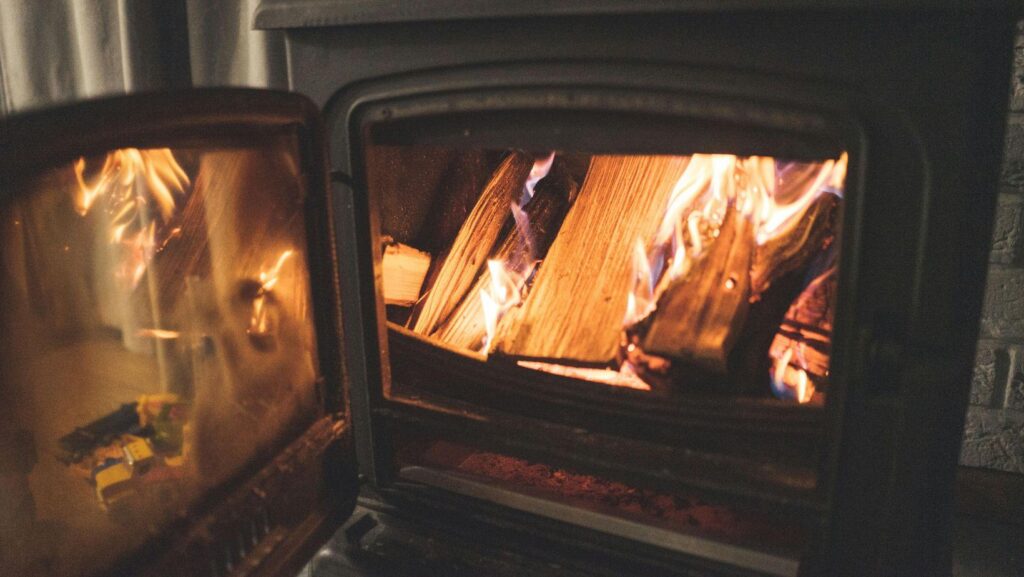
Lighting a fire used to mean reaching for chemical-soaked cubes that smelled of paraffin. Things have changed. More UK households now want a cleaner, simpler way to get their stove going, which is why the best natural firelighters have become a winter essential. These products use wood, wax, and plant-based materials instead of petroleum, making them safer to handle and kinder to the air in your home. Choosing the right firelighter affects how quickly your fire catches, how much fuel you waste, and even the smell in your living room. Here’s what you need to know before you stock up.
What Makes the Best Natural Firelighters Different?
Natural firelighters are made from renewable materials rather than chemical accelerants. Most are produced from wood wool, sawdust, and natural wax, twisted or pressed into compact shapes that burn steadily for several minutes.
That steady burn matters. A good firelighter needs to stay alight long enough to ignite your kindling without you fussing over it. Cheap chemical cubes often flare fast and fade just as quickly, leaving you striking another match.
The best options share a few traits:
- They light easily with a single match
- They burn for 8–10 minutes, giving kindling time to catch
- They produce little smoke and no chemical odour
- They’re made from sustainable fuel sources
These qualities make them reliable for everyday use across the colder months.
Natural vs Chemical Firelighters: Key Differences
Chemical firelighters, usually white cubes, rely on kerosene or paraffin to ignite. They work, but they come with downsides. The fumes can linger, the smell transfers to your hands, and some people find the residue unpleasant near food preparation areas or indoor air.
Natural firelighters skip the petrochemicals entirely. They rely on wax-coated wood fibres that catch quickly and burn clean.
Here’s a simple comparison:
- Source: Chemical versions use fossil-fuel derivatives. Natural ones use wood and plant wax.
- Smell: Chemical types give off a strong odour. Natural types are largely scent-free.
- Handling: Natural firelighters leave no greasy residue on your fingers.
- Emissions: Natural materials tend to produce lower carbon emissions when burned.
For anyone trying to keep their home heating cleaner, the natural route makes practical sense.
Are Natural Firelighters Safe and Eco-Friendly?
Safety and sustainability are two of the biggest reasons people switch. Because natural firelighters contain no volatile chemicals, the risk of sudden flare-ups is lower, and there are no harsh fumes to breathe in while you light your stove.
On the environmental side, the appeal is clear. Many are made from waste wood and renewable wax, supporting more sustainable household fuels. When paired with properly seasoned or kiln-dried wood, they form part of a cleaner approach to eco-friendly heating.
This fits neatly with current UK heating practices. DEFRA regulations now restrict the sale of wet wood and high-sulphur fuels in a push to cut air pollution. Using clean firelighters alongside approved fuel helps you stay within those rules while reducing the carbon footprint of your fire.
It’s worth remembering that no fire is entirely emission-free. The goal is to lower carbon emissions and indoor pollutants as much as possible, and natural products help you do that.
How to Use Firelighters for Wood-Burning and Multi-Fuel Stoves
Getting the most from your firelighter comes down to method. Whether you have a wood-burning stove or a multi-fuel stove, the basic approach is similar, though the top-down technique often gives the cleanest result.
Try this sequence:
- Place a few larger logs at the base of your stove.
- Stack a layer of kindling across the top in a criss-cross pattern.
- Set one or two firelighters among the kindling.
- Light the firelighters and leave the air vents fully open.
- Once the flames are established, add fuel gradually and adjust the vents.
This top-down method lets the fire burn downwards into the logs, producing less smoke and a more even burn. For multi-fuel stoves burning approved smokeless fuel, give the kindling extra time to take hold before adding heavier material.
Good fire starting is mostly about patience. Rushing to load fuel too early smothers the flames and wastes your firelighter.
Cost and Efficiency Considerations for UK Homes
Price matters, especially when energy bills are tight. Natural firelighters often cost slightly more per pack than chemical cubes, but the gap is smaller than many people expect, and the value tends to balance out.
The efficiency comes from reliability. When a firelighter lights first time and burns long enough, you use fewer of them and less kindling overall. That reduces waste and improves your home heating efficiency across a season.
A few cost-saving habits help:
- Buy in bulk to lower the price per unit
- Pair firelighters with dry kindling to avoid wasting them
- Store everything somewhere dry so nothing absorbs moisture
When you factor in less wasted fuel and faster lighting, the small extra outlay usually pays for itself.
Choosing Reliable Firelighting Products in the UK
The UK market offers plenty of choice, from supermarket own-brands to specialist fuel suppliers. The difference often shows in the materials used and how consistently the product performs.
Specialist retailers tend to focus on quality and sourcing. Companies such as Lektowood Fuels supply natural firelighters alongside kiln-dried logs and kindling, which suits households that want their fuel and fire-starting supplies from one trusted source. When shopping, look for products that state their materials clearly and confirm they’re made from renewable wood and wax.
If you want a straightforward starting point, many UK households choose the best natural firelighters made from wood wool and wax, which light quickly and burn cleanly. Checking customer reviews and packaging details will help you judge whether a product lives up to its claims before you commit to a larger order.
Tips for Better Fire Starting in Winter
Cold, damp weather makes fires harder to light, so a little preparation goes a long way during winter heating season.
Keep these fire lighting tips in mind:
- Store fuel properly. Keep logs and kindling under cover and off the ground so they stay dry.
- Use kiln-dried wood. It has a low moisture content, lights faster, and burns hotter than seasoned logs.
- Warm the flue. On very cold days, the chimney can be sluggish. Lighting a small twist of paper first helps draw the air upward.
- Don’t overload. Build the fire gradually rather than packing the stove full from the start.
- Clean regularly. Clear ash and check the chimney to keep airflow strong and reduce fire safety risks.
Small habits like these make every fire easier to start and more pleasant to enjoy.
Final Thoughts
Switching to natural firelighters is one of the simplest changes you can make for cleaner, more reliable home heating. They light easily, burn steadily, and avoid the fumes that come with chemical cubes, all while supporting sustainable fuel choices and lower emissions. Paired with kiln-dried wood and good technique, the best natural firelighters help your wood-burning or multi-fuel stove perform at its best through winter. Whether you’re a homeowner or renter, choosing quality products from a trusted UK supplier and storing them properly will save you time, money, and hassle every time you light a fire.