
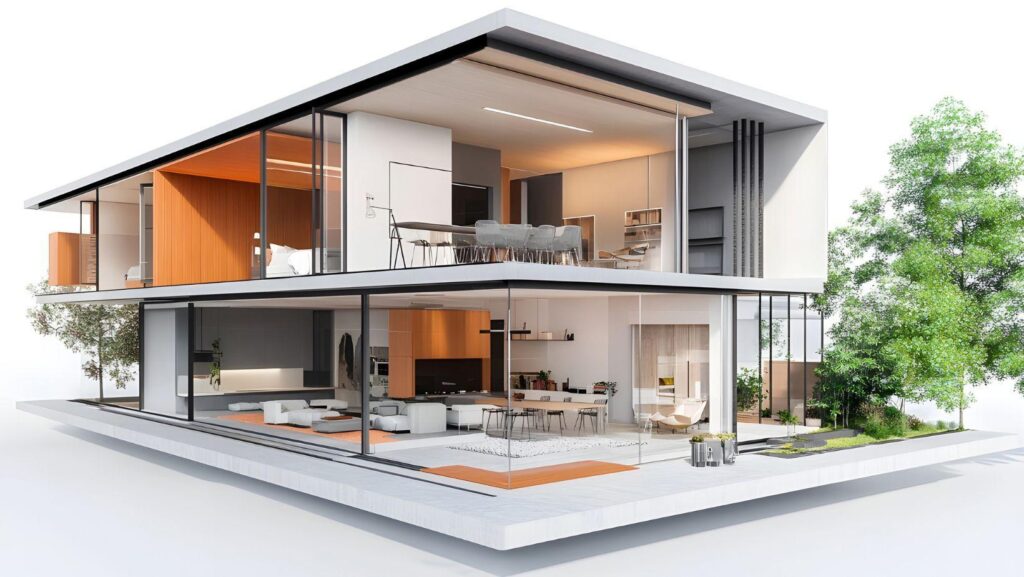
Step inside a newly constructed office complex or modern residential apartment, and you will notice a distinct trend: ultra-clean lines, integrated lighting, near-silent door closures, and clutter-free surfaces. Behind these sleek visual finishes lies a subtle revolution in material science. Architectural designers are moving away from bulky wood trim and heavy metallic joints, opting instead for engineered synthetics that combine function with minimalist aesthetics.
The secret to this streamlined functionality often lies in precision manufacturing. By customizing continuous components to carry wires, seal acoustics, or hold glass panels in place, interior designers can solve complex structural problems without sacrificing visual appeal. Companies working on modern architectural builds often rely on custom plastic profiles to achieve exact geometric fits that traditional wood or metal simply cannot deliver.
As functional design becomes a priority in both home and office environments, understanding how these engineered components work reveals just how much modern interiors depend on smart material choices.
The Rise of Versatile Polymer Solutions
For decades, interior framing and structural seals were rigid and prone to wear. Today, high-performance polymer profiles give designers the freedom to blend flex, durability, and aesthetics into a single installation step. Modern synthetics adapt to unpredictable indoor environments far better than traditional materials:
By opting for lightweight polymer formulations, builders reduce installation times and avoid the continuous maintenance cycle of sanding, painting, and replacing warped components.
Key Material Options and Modern Applications
Not all synthetic components are created equal. Depending on whether a project calls for flexibility, rigidity, or extreme flame resistance, manufacturers select specific polymer matrices to match the job.
1. High-Durability PVC Profiles for Heavy Wear
In high-traffic areas like corridors, commercial kitchens, and entryways, wall guards and baseboards take a constant beating. Engineered pvc profiles provide exceptional impact resistance and are easy to sanitize, making them indispensable in healthcare facilities and public venues.
2. Flexible Seals for Thermal and Sound Control
Drafty glass partitions or noisy conference rooms often stem from poor seal design. Specialist producers like Primo co-extrude flexible and rigid materials into a single piece, creating airtight edges that cushion impacts and block sound transmission around glass doors and windows.
3. Specialty Trim for Custom Furniture and Retail
Retail displays and modular office desks require clean, rounded edges that withstand daily wear. Extruded edge banding protects furniture edges from moisture and chipping while matching surface textures seamlessly.
Practical Efficiency Meets Long-Term Value
Switching to custom extrusions isn’t just about aesthetics; it is a financial and environmental decision. Synthetic components reduce building weight and eliminate the need for heavy machinery during interior fit-outs, cutting labor costs significantly.
Sustainability has also taken center stage in modern building specs. According to commercial design guidelines from the U.S. Green Building Council, selecting durable interior materials with long lifespans helps projects earn recognized green building certifications by minimizing replacement waste. Manufacturers like Primo lead by example in this area, incorporating post-industrial recycled content into core layers and refining production to eliminate material scrap.
As interior spaces evolve toward greater flexibility and cleaner aesthetics, engineered plastics will continue to form the backbone of modern space design. Through precise manufacturing and intelligent material selection, brands like Primo give designers the tools to build smarter, quieter, and more resilient environments.