
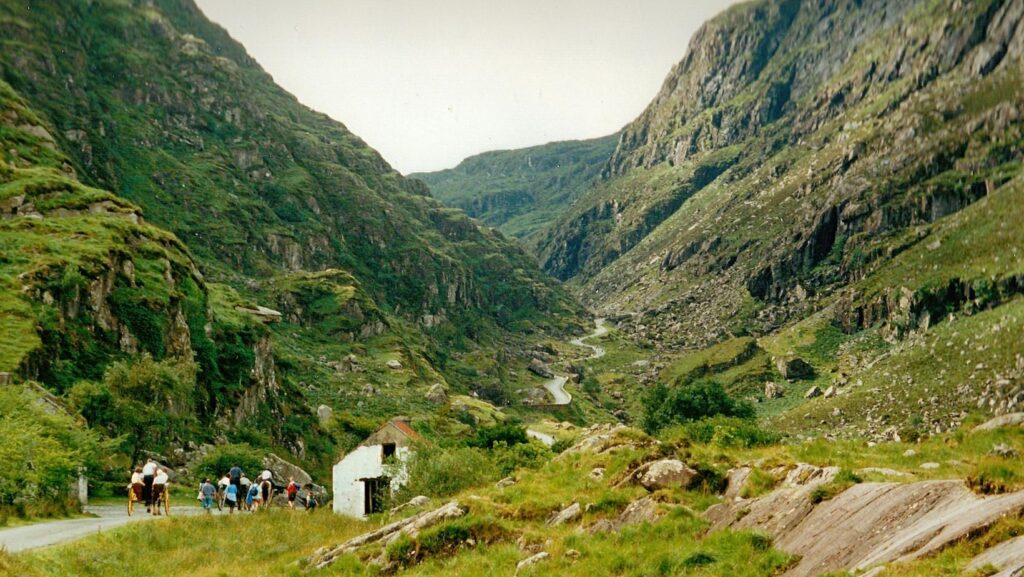
Rural Ireland has always faced unique challenges when it comes to energy. Limited access to the natural gas grid, reliance on traditional fuels, and varying property types all contribute to a more complex energy landscape.
Over the next decade, these challenges are expected to drive innovation rather than limit it. Rural communities are likely to become a key focus in Ireland’s broader energy transition, particularly as policymakers look for inclusive solutions.
One of the biggest changes will be the move away from oil. While oil has long been a reliable option, its environmental impact and price volatility are prompting many homeowners to explore alternatives.
For those evaluating their options, the decision to switch to LPG is often influenced by practicality. LPG systems can be installed with relatively minimal disruption and provide consistent heating performance, making them well suited to rural homes.
At the same time, sustainability is becoming a more important consideration. Renewable fuels such as Calor BioLPG offer a way to reduce emissions without sacrificing reliability. This is particularly valuable in rural areas, where fully electric solutions may not always be feasible.
Energy supply is another critical factor. In more remote locations, access to fuel can be a concern. Services like Calor Direct LPG Delivery Service help address this by ensuring regular and dependable delivery, even in less accessible areas.
The next decade is also likely to see increased adoption of hybrid energy systems. These systems combine different energy sources to maximise efficiency and resilience. For example, pairing LPG heating with solar panels can provide both cost savings and environmental benefits.
Technology will continue to play a role in this evolution. Smart heating controls and energy monitoring tools are making it easier for homeowners to optimise their energy use. These advancements are particularly valuable in rural settings, where efficiency can have a significant impact on overall costs.
Community-level initiatives may also emerge. Shared energy solutions, local renewable projects, and cooperative approaches could all contribute to a more sustainable rural energy system.
Energy providers such as Calor Ireland are part of the wider network supporting this transition. Their role in supplying off-grid energy solutions will remain important as rural areas adapt to changing demands.
Looking ahead, the future of energy in rural Ireland will be shaped by a combination of innovation, practicality, and sustainability. Rather than relying on a single solution, households are likely to adopt a mix of technologies that best suit their needs.
For many, the goal will be to find a balance between reliability and environmental responsibility. Solutions that offer both are likely to play a central role in the years to come.
As Ireland continues to move towards a more sustainable energy system, rural communities will not be left behind. Instead, they are likely to lead the way in adopting flexible and forward-thinking energy solutions.