
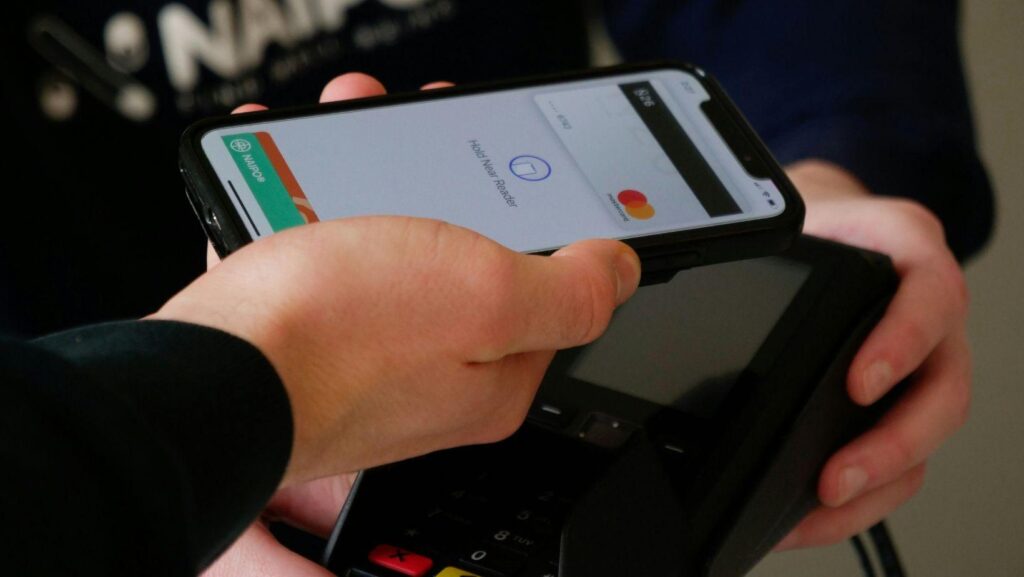
Digital payments have moved far beyond the simple convenience of tapping a card or phone. For businesses, they represent a fundamental shift in how financial operations are managed, offering a rich source of data that can drive strategy, improve liquidity, and provide a real-time view of an organization's financial health. Viewing digital payments merely as a transactional tool is a missed opportunity; they are a cornerstone of modern financial strategy.
Evolution of Payment Systems
The journey from paper checks and cash to today's digital ecosystem has been rapid and transformative. Initially, electronic funds transfers (EFT) and credit cards were the primary alternatives to traditional methods. Now, the landscape includes a vast array of options, from mobile wallets and peer-to-peer apps to real-time payment networks. These emerging payment technologies do more than just move money faster; they generate detailed data with every transaction. This evolution has turned the payments function from a simple back-office task into a source of valuable business intelligence that can inform high-level decisions.
Impact on Cash Flow Management
The most immediate benefit of adopting modern payment methods is the significant improvement in cash flow. Traditional invoicing and payment cycles often involve long delays, creating uncertainty and tying up capital. The relationship between digital payments and cash flow management is direct: digital invoices can be paid instantly, accelerating accounts receivable and reducing the days sales outstanding (DSO). This speed provides finance teams with a much clearer and more predictable picture of incoming funds. On the payable side, scheduled digital payments allow for precise timing, helping companies hold onto cash longer while still meeting their obligations on time.
Integrating Payment Data for Forecasts
The true strategic value of digital payments is unlocked when their data is integrated with other financial systems. Every transaction contains information about who paid, when they paid, and what they bought. When this data is fed into financial planning and analysis (FP&A) software, it can dramatically improve the accuracy of cash flow forecasts. For example, by analyzing historical payment behavior, a company can predict which customers are likely to pay late and adjust its cash reserves accordingly. Advanced tools and prompts for AI for CFOs can take this a step further, identifying subtle trends and patterns that a human analyst might miss, leading to more resilient financial models.
Optimizing Working Capital
Effective working capital management is about ensuring a company has sufficient liquidity to meet its short-term obligations and fund operations. Digital payment data is instrumental in this process. By accelerating receivables and providing greater visibility into cash positions, businesses can reduce their reliance on expensive short-term credit facilities. For instance, a company might analyze its payment data to identify the optimal timing for offering early payment discounts. This frees up cash that would otherwise be stuck in receivables, allowing it to be reinvested into growth initiatives, inventory, or strategic projects without taking on new debt.
The Strategic CFO Perspective
From the perspective of a Chief Financial Officer, digital payments are no longer just an operational concern. They are a strategic asset. The real-time data they provide allows the CFO to move from a reactive to a proactive stance. Instead of reporting on what happened last quarter, the modern CFO can use up-to-the-minute payment data to model future scenarios, assess risk, and provide data-driven guidance to the executive team and board. This elevates the finance function from a cost center to a strategic partner in the business, directly contributing to agility and competitive advantage.
Ultimately, the shift to digital payments is not just about efficiency. It’s about transforming the finance function into a forward-looking, data-powered engine that drives the entire organization toward its goals.